Former Nigerian President Olusegun Obasanjo recently held separate consultations with former President Uhuru Kenyatta and former vice-presidential candidate Kalonzo Musyoka, in what observers describe as a strategic dialogue around a “one-term plan” for Kenya’s leadership ahead of the 2027 general election.
The meetings — which brought together influential political figures from across the region — were held against a backdrop of ongoing conversations within Kenya’s political landscape about succession, coalition-building and governance agendas. Although detailed outcomes of the discussions have not been publicly published, sources indicate that the talks focused on leadership transitions, national unity and ways to foster broad consensus around key issues facing the country.
Mr. Obasanjo, a respected elder statesman with a long record of mediation and peacemaking in African politics, has been engaging with leaders across the continent on matters of democratic governance. His involvement in meetings with Uhuru and Kalonzo signals the interest of regional figures in Kenya’s political evolution and the importance of inclusive dialogue as election year approaches.
In his conversation with former President Uhuru Kenyatta, Obasanjo reportedly explored ideas related to political stability and frameworks for leadership arrangements that could promote cohesion. The discussions are understood to touch on how influential leaders with significant support bases might shape or support a unified approach to national leadership — often referenced informally as a “one-term plan” — though exact terms were not disclosed.
Sources familiar with the engagements say that the former president’s meeting with Kalonzo Musyoka also addressed themes of political cooperation and the need for inclusive leadership models that reach across regional and ethnic divides. Kalonzo, who has been a long-time political figure and presidential aspirant, is seen as a key voice in opposition and coalition politics, particularly among voters in Eastern Kenya and beyond.
While neither Uhuru Kenyatta nor Kalonzo Musyoka released detailed public statements following their respective meetings with Obasanjo, close aides noted that the discussions were cordial and focused on constructive engagement. The leaders reaffirmed their commitment to democratic processes and emphasised the importance of unity, though they stopped short of outlining specific agreements or next steps.
Political analysts say the gatherings reflect broader attempts by senior statesmen and political actors to influence the direction of Kenya’s electoral discourse before 2027. The idea of a “one-term plan” — which has been floated in various political circles — generally refers to arrangements where prominent leaders might agree to serve a single term or support a transitional leadership compact that promotes stability and broad participation.
Critics argue that such plans are often informal and lack clear mechanisms for implementation, making them more aspirational than operational. They caution that without transparent negotiation and buy-in from citizens, such strategies risk being dismissed as elite pacts that do not reflect the electorate’s will.
Supporters, however, contend that dialogue among seasoned leaders can help bridge divides and foster frameworks that reduce zero-sum competition — particularly in diverse societies where political contests can be polarising. They note that Obasanjo’s involvement adds moral authority and a regional perspective that could elevate the quality of discussions around leadership transitions.
Reactions among the public have been mixed. Social media users and political commentators have debated the merits and implications of the talks, with some welcoming high-level engagement on national unity, while others have urged that any future leadership arrangements must be anchored in transparent processes and popular mandate.
As Kenya approaches a critical election cycle, the outcomes of these high-level consultations remain to be seen. Observers note that whatever influence such meetings have, the ultimate determinants of leadership will be voter preferences expressed at the ballot box, and the statutory frameworks that govern Kenya’s democratic process.
For now, the meetings underscore the ongoing conversations among political heavyweights about how best to navigate succession, governance and national cohesion in a period of heightened political contestation.
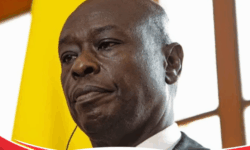
Image from Facebook