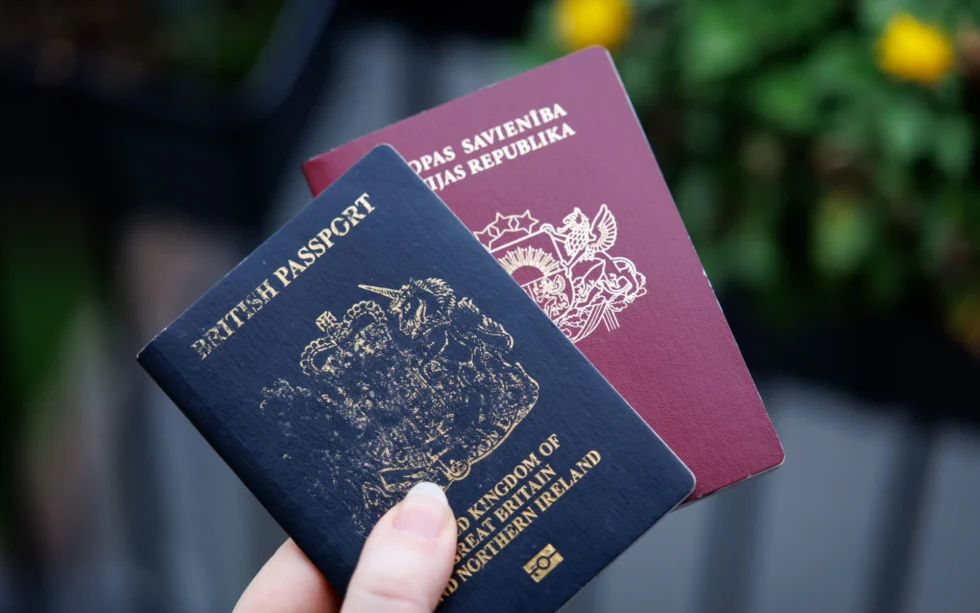
Nairobi – The government is facing mounting pressure to explain the alleged irregular issuance of Kenyan passports to foreign nationals, following a formal demand for information by Nairobi-based advocate Peter Wahinya.
Wahinya has written to the Directorate of Immigration Services under the Ministry of Interior and National Administration, seeking full disclosure on how the controversial travel documents were processed, the officers involved and whether any internal investigations have been launched.
The move comes amid growing public outrage after reports emerged that the Department of Immigration Services allegedly issued Kenyan passports to foreign nationals of questionable background, including individuals said to be linked to Sudan’s Rapid Support Forces (RSF) and a Zimbabwean businessman with a controversial profile.
In his demand letter, Wahinya, through his law firm Wahinya Advocates, is seeking information on the procedures used to process the disputed passports, the specific offices and officers involved and any internal directives that may have led to the fast-tracking or waiver of standard vetting requirements.
He has invoked Article 35 of the Constitution, which guarantees the right of access to information held by the State.
At the centre of the controversy is Zimbabwean businessman Wicknell Chivayo, alongside several Sudanese nationals alleged to have links to the RSF.
The advocate is demanding certified copies of all passport and citizenship applications, supporting documents, payment receipts and related records for 28 named individuals. He is also seeking copies of internal correspondence, memos or instructions that may have authorised the bypassing of normal vetting timelines.
In addition, Wahinya is asking the Directorate to disclose whether any internal investigations, audits or disciplinary processes were initiated after the allegations became public.
Silence from the Interior ministry
Despite the public outcry, the government has so far remained largely silent.
Interior Cabinet Secretary Kipchumba Murkomen, who took office pledging transparency and reforms in the security and immigration sector, has not publicly responded to questions surrounding the alleged expedited processing of the passports.
On social media, Kenyans have continued to express anger over what they describe as preferential treatment for foreign nationals, at a time when many citizens still face long delays in acquiring ordinary travel documents.
Questions over vetting procedures
Under existing procedures, foreign nationals seeking Kenyan citizenship or passports are required to undergo extensive background checks, including security vetting by the National Intelligence Service, and must demonstrate prolonged lawful residence in the country.
However, the current scandal has raised serious concerns that these safeguards may have been ignored or deliberately bypassed for the individuals named in the petition.
Wahinya argues that the alleged irregular processing undermines public confidence in the integrity of Kenya’s immigration system and poses potential national security risks.
He is also questioning whether senior officials within the immigration department may have authorised the issuance of the documents without compliance with statutory and administrative requirements.
Sharp contrast with ordinary applicants
The advocate says the matter has exposed a glaring contrast between how ordinary Kenyans struggle to obtain passports—often waiting for months—and how the 28 foreign nationals, mainly of Sudanese and Zimbabwean origin, are alleged to have obtained the documents through irregular channels.
According to the demand letter, any waiver of standard vetting timelines should be supported by clear legal justification and documented approval, which the public now expects to be disclosed.
High-security process under scrutiny
The issuance of Kenyan passports is considered a high-security process involving multiple layers of verification and oversight within the Ministry of Interior and National Administration.
The scandal has now placed the entire system under scrutiny, with pressure mounting on the government to release details on how the documents were processed and whether any officers abused their authority.
Wahinya has warned that if the information sought is not provided within the timelines prescribed by law, he will move to court to compel disclosure.
As the controversy continues to dominate public debate, attention is now firmly on the Directorate of Immigration Services and the Interior ministry to explain how foreign nationals allegedly linked to armed groups and controversial business dealings were able to obtain Kenyan passports.