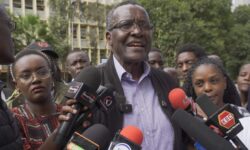
Nyeri Governor Mutahi Kahiga has found himself at the centre of a growing storm after making remarks that many Kenyans have condemned as insensitive and ethnically divisive. His comments, made during a funeral in Kieni Constituency, were widely interpreted as celebrating the death of former Prime Minister Raila Odinga, sparking outrage across the country and prompting investigations by state agencies.
In a video that quickly went viral on social media, Kahiga, speaking in Kikuyu, suggested that Raila’s death had disrupted what he described as a political plan that would have favoured certain regions over others. “The plan that had been hatched — all goodies were being directed there. Now it’s total confusion… but God came and brought this,” Kahiga said. His statement drew immediate backlash from leaders, civil society groups, and citizens who accused him of promoting ethnic division and insensitivity during a time of national mourning.
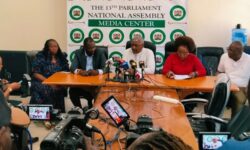
The National Cohesion and Integration Commission (NCIC) swiftly summoned the governor to explain his remarks, stating that they may have violated the NCIC Act, which prohibits hate speech and ethnic incitement. NCIC Chairperson Samuel Kobia confirmed that the commission had launched an official investigation into the matter, urging political leaders to maintain decorum, particularly when addressing sensitive national issues.
Government spokesperson Isaac Mwaura also condemned Kahiga’s statements, terming them “regrettable, divisive, and unacceptable.” He cautioned public officials against using language that could reopen ethnic wounds or inflame regional tensions, emphasizing that Kenya must remain united despite political differences. “Kenya belongs to all of us,” Mwaura said in a press briefing, underscoring the government’s commitment to preserving peace and cohesion.
Opposition leaders were equally vocal in their criticism. Gladys Wanga, the Chairperson of the Orange Democratic Movement (ODM), demanded that Kahiga step down as the Vice-Chairperson of the Council of Governors (CoG), saying his remarks dishonoured Raila Odinga’s legacy and the values of leadership. “Governor Kahiga’s words are unbecoming of a national leader and deeply disrespectful to the memory of a man who dedicated his life to democracy and unity,” she said.
Following mounting pressure, Kahiga later resigned from his CoG leadership role, insisting that his comments were “misunderstood” and taken out of context. He expressed regret for any pain his words might have caused, saying he did not intend to offend or divide the nation. However, his apology did little to quell public anger, with many Kenyans arguing that leaders must be held accountable for statements that threaten national unity.
Political analysts have warned that such remarks, if left unchecked, could deepen ethnic tensions at a fragile moment in Kenya’s history. They note that the incident highlights an enduring challenge — the tendency of political rhetoric to inflame rather than heal divisions. The NCIC and human rights groups have urged for stricter enforcement of hate speech laws to prevent a repeat of such incidents.
As investigations continue, Kahiga’s remarks serve as a stark reminder of the power of words in shaping public sentiment. In a country still healing from decades of political rivalries and ethnic polarization, leaders are once again being reminded that unity, respect, and empathy must prevail over politics — especially when the nation is in mourning.
Image by The Eastleigh Voice