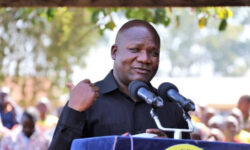
In a closely watched series of by-elections held across the country, Boyd Ong’ondo Were emerged victorious in the Kasipul parliamentary race, while the United Democratic Alliance (UDA) swept multiple seats nationwide, setting off fresh political debates ahead of the 2027 General Election.
Boyd Were Wins Kasipul Parliamentary Seat
The Kasipul constituency election concluded with 27-year-old Boyd Ong’ondo Were securing a decisive win. The Orange Democratic Movement (ODM) candidate garnered 16,819 votes, comfortably defeating independent contestant Philip Aroko, who received 8,476 votes. This win comes months after the death of Were’s father, the former MP, which created a vacancy and set the stage for a highly emotional campaign.
In his acceptance message, Were expressed gratitude to the electorate and promised to continue his father’s development initiatives. He emphasized unity and urged residents to look beyond political differences, saying that the constituency’s future required collective commitment. ODM officials hailed the victory as evidence of the party’s enduring influence in the region. They called on supporters and rivals alike to work together to bring progress to the constituency.
The youthful MP-elect is expected to bring a new energy to leadership in Kasipul, with many residents hopeful that he will deliver on promises of infrastructure improvements, youth empowerment, and enhanced public services.
UDA Secures Major Victories Across the Country
While ODM celebrated victory in Kasipul, the broader national picture painted a different story. UDA candidates won several key contests in what party insiders described as a remarkable show of strength. The party captured parliamentary, ward, and civic seats across multiple counties, reinforcing its grassroots dominance and sharpening its competitive edge ahead of future national elections.
In constituencies such as Malava and Mbeere North, UDA candidates prevailed after tightly contested races. The wins were widely interpreted as a strategic triumph for the party’s top leadership, often referred to as the “godfathers,” who had keenly invested resources, networks, and influence into the campaigns. Political analysts noted that these victories served as an important “dress rehearsal” for 2027, testing the loyalty of local bases and demonstrating the effectiveness of the party’s mobilization machinery.
However, opposition parties quickly raised concerns over alleged voter intimidation, irregularities, and vote-buying in some regions. Party officials voiced dissatisfaction with the conduct of the elections, accusing the ruling party of using state resources and influence to tilt the playing field. They promised to seek redress through legal and institutional channels. Independent observers have urged a transparent review of the claims to safeguard public confidence in the electoral system.
What the Outcome Means for Kenya’s Political Landscape
The mixed outcomes across various regions revealed underlying shifts in voter sentiment. ODM’s win in Kasipul signaled strong regional loyalty and a desire for generational continuity through Boyd Were’s leadership. On the other hand, UDA’s widespread wins indicated growing consolidation of support in several counties, reinforcing its position as a formidable political force.
For the electorate, the by-elections highlighted the importance of issue-based campaigns, the role of local political networks, and the influence of national party machinery. The contrasting results also underscored Kenya’s political diversity and the evolving power dynamics between top parties.
Analysts believe the by-elections will shape strategies for 2027, influencing alliances, campaign messaging, and governance priorities. The outcomes may also affect how institutions handle election integrity concerns, especially as civil society groups call for more transparency and fairness in election processes.
Looking Ahead
The newly elected leaders, including Boyd Were, now face the task of living up to their supporters’ expectations. Constituents will be watching closely to see whether development promises translate into tangible improvements.
Meanwhile, political tensions could heighten as opposition parties weigh possible legal challenges. As both ODM and UDA assess their strengths and weaknesses from these elections, Kenyans can expect intensified political activity in the months ahead.
Image by Dawan Africa