Human Papillomavirus (HPV) is one of the leading causes of cervical cancer, a disease that kills thousands of women worldwide every year — and Kenya is no exception. But health experts are urging the nation to embrace a powerful and effective tool in the fight against this preventable cancer: the HPV vaccine.
Cervical cancer develops when persistent HPV infection causes abnormal cells to form on the cervix. Over time, these abnormal cells can become cancerous. According to health professionals, HPV infection is very common, and most sexually active people will be exposed to at least one type of HPV in their lifetime. While many infections resolve on their own, some high-risk strains — particularly HPV types 16 and 18 — are responsible for the majority of cervical cancer cases.
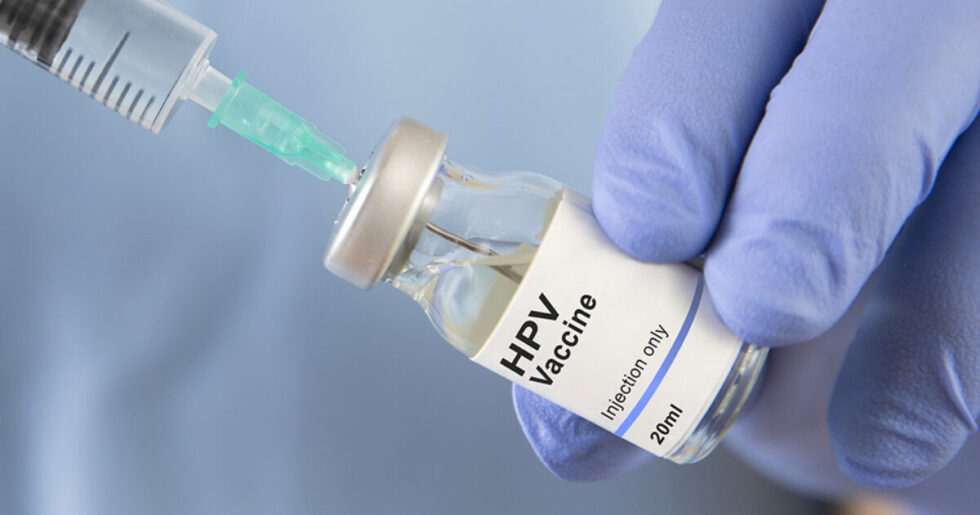
The good news is that the HPV vaccine protects against the strains of the virus most likely to lead to cervical cancer. When administered before exposure to the virus — ideally in early adolescence — the vaccine can dramatically reduce the risk of future infection and, by extension, the likelihood of developing cervical cancer later in life.
Health authorities in Kenya note that vaccinating girls against HPV is a proven, cost-effective public health intervention. Studies from around the world show that countries with strong HPV vaccination programmes have seen significant drops in rates of HPV infection and cervical precancers. Experts emphasise that early prevention through vaccination is far more effective and less costly than treating advanced cancer, which often requires complex and expensive care.
In Kenya, the vaccine is being rolled out as part of efforts to strengthen the broader continuum of women’s health services, including screening and follow-up care. Public health officials stress that vaccination should complement — not replace — regular cervical screening for older women. Together, these measures can form a powerful defence against a disease that takes a heavy toll on families and communities.
Despite the clear benefits, HPV vaccine uptake in some areas has faced challenges. These include limited awareness, misinformation about vaccine safety, cultural misconceptions, and gaps in access, particularly in rural and underserved communities. Health advocates argue that comprehensive public education is essential to address fears and correct misunderstandings about the vaccine.
Medical professionals have also debunked myths that link the HPV vaccine to infertility or harmful side effects. They note that decades of research and monitoring show the vaccine to be safe and well-tolerated, with side effects generally mild — such as soreness at the injection site, slight fever or brief fatigue. Serious reactions are extremely rare.
To maximise the impact of the vaccination programme, experts recommend that girls receive the HPV vaccine before they become sexually active, typically between ages 9 and 14. In some settings, older adolescents and young women may also benefit, depending on health guidelines and availability. Targeting this age group ensures that vaccination occurs before potential exposure to HPV, offering the strongest protective effect.
Public health officials are calling on parents, teachers, community leaders and caregivers to support vaccination efforts. Schools, health facilities and outreach campaigns play a central role in reaching children and families with accurate information and access to the vaccine. Engagement with communities is critical to building trust and ensuring that all girls, regardless of location or background, can be protected.
The long-term benefits of widespread HPV vaccination go beyond individual protection. As more girls are vaccinated, transmission of the virus in the population declines, contributing to community-wide reductions in cervical cancer risk. In the long run, this can translate into fewer cancer cases, fewer deaths, less strain on health services and healthier lives for women and girls.
Ultimately, the HPV vaccine represents more than a medical intervention — it is a lifeline for future generations. By preventing infections that lead to cancer, the vaccine offers girls across Kenya the chance to grow up with fewer fears about their reproductive health and a brighter outlook for the future.