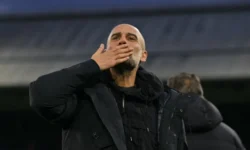
Manchester City manager Pep Guardiola has spoken openly about the emotional toll that ongoing conflicts around the world have taken on him, saying the suffering of innocent people deeply troubles him and compels him to speak out. Known globally for his footballing brilliance, Guardiola stepped beyond sport to address the human cost of wars and violence, stressing that empathy and the protection of life should come before politics or ideology.
Speaking during a media engagement ahead of Manchester City’s League Cup semi-final clash with Newcastle United, the Spanish coach reflected on the images and reports emerging from conflict zones across the globe. He pointed to crises in places such as Palestine, Ukraine and Sudan, noting that the scale of human suffering visible today is overwhelming. According to Guardiola, the constant flow of information makes it impossible to look away or remain indifferent.
He said that what hurts him most is seeing civilians — particularly children and vulnerable people — caught in violence they did not create. Guardiola emphasised that his comments were not about taking political sides but about defending basic human values. For him, the loss of innocent lives represents a collective failure of humanity that should concern everyone, regardless of nationality or belief.
Guardiola remarked that modern society lives in a contradiction. While technological advancement has enabled humanity to achieve remarkable feats, including exploring space and transforming daily life, violence and destruction persist on a massive scale. He questioned how such progress can coexist with the continued killing and displacement of innocent people, describing it as deeply painful and difficult to comprehend.
The Manchester City boss also addressed the moral responsibility of those with public platforms. He said he feels obligated to speak when he sees injustice and suffering, even if his primary profession is football. In his view, silence in the face of human tragedy only allows suffering to continue unchecked. Guardiola believes that meaningful change begins with awareness, dialogue and compassion.
He further spoke about the plight of people forced to flee conflict zones, often risking their lives in dangerous journeys by land and sea. Guardiola argued that rescuing and protecting people in distress should take precedence over political debates about borders and status. From his perspective, a human life must always come first.
Guardiola acknowledged that not everyone agrees with public figures expressing views on global issues, especially in the world of sports. However, he maintained that empathy is not limited by profession. He stressed that being a football manager does not strip him of his humanity, nor does it prevent him from caring about what happens beyond the pitch.
His remarks align with a growing trend of athletes and coaches using their influence to highlight social and humanitarian concerns. Guardiola has previously shown support for charitable causes and initiatives aimed at alleviating human suffering, reinforcing his belief that those with visibility have a responsibility to contribute positively to society.
In concluding his reflections, Guardiola underscored that suffering anywhere affects humanity everywhere. He said witnessing pain and injustice, especially when it involves innocent lives, challenges people to reflect on their values and responsibilities. For him, compassion, justice and the protection of human dignity are universal principles that should guide action in times of crisis.
While his words did not offer simple solutions to complex global conflicts, they carried a clear message: acknowledging suffering, speaking out against injustice and valuing human life are essential steps toward a more humane world. Guardiola’s message serves as a reminder that even in the realm of sport, voices can be used to call attention to the deeper issues shaping the global human experience.
Image by BBC