


Mulembe Times
President William Ruto has forcefully defended the ongoing construction of a new church within State House, Nairobi—alleged to have cost taxpayers Ksh.1.2 billion—amid a storm of public criticism over the project’s timing and financing.
Speaking Friday at State House during a meeting with grassroots leaders from Embu County, Ruto clarified that he did not initiate the church’s presence at the presidential residence but found it already existing—albeit in a dilapidated state—when he assumed office in 2022.
“Mimi ni mtu naamini Mungu and I have no apologies to make for building a church at State House,” the Head of State declared defiantly, drawing cheers from the crowd. “Tutajenga kanisa ya Mungu, shetani akasirike, afanye chenye anataka.”
The president, a devout Christian known for fusing faith with politics, said the decision to upgrade the State House chapel came from a personal conviction that a house of worship within the seat of power should reflect the dignity of the presidency.
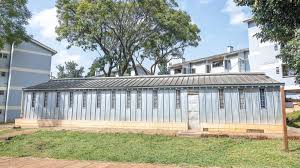
“Nilikuja nikapata kanisa ya mabati,” Ruto said, describing the original structure. “Kanisa ya mabati inatoshana na State House ata kwa maoni yenu?”
According to Ruto, the structure was previously made of iron sheets (mabati), which he felt did not befit the office of the president. He maintained that the refurbishment is being financed from his personal resources and not from the public purse.
“I am told that in the newspapers today, someone said I’m building a church at State House. It is true mimi najenga kanisa hapa State House,” Ruto affirmed. “Na sijengi na pesa ya serikali, najenga na pesa yangu.”
He went on to invite the leaders to pray at the new chapel once construction is complete, vowing to lead a session personally. “Hapa tu… nitakuja kuwapeleka siku ingine tukaombe huko.”
Public Concerns Over Cost, Priorities
Despite Ruto’s reassurances, the project has ignited debate across the country, with many Kenyans expressing outrage over the reported Ksh.1.2 billion price tag. Critics argue that building such a lavish structure at a time when the country is grappling with a high cost of living, record unemployment, and a ballooning public debt is both tone-deaf and irresponsible.
Civil society groups and opposition figures have also questioned the transparency around the funding of the project, calling for a clear audit to determine whether any taxpayer money has been quietly allocated to the construction.
“There is a national housing crisis, thousands of Kenyans can’t afford basic food items, and yet the focus is on prestige projects,” said political analyst Moses Karanja. “Even if it’s privately funded, the symbolism of it—especially inside State House—cannot be separated from public accountability.”
Others have noted that the president’s move to tie religious projects to the presidency risks further blurring the line between church and state.
A Pattern of Faith-Based Leadership
Ruto has never shied away from publicly professing his Christian faith, often attending or hosting prayer meetings and frequently quoting scripture during national addresses. Since assuming power, he has embedded spiritual symbolism in key moments of governance—from cabinet meetings that begin with prayer to national rallies themed around divine guidance.
To his supporters, Ruto’s open religiosity is a sign of humility and moral compass in leadership. To his critics, it signals a potentially dangerous merger of faith and executive power.
Still, Ruto appears unfazed by the backlash.
“I did not start a church here at State House, it was there,” he said. “The only problem, ilikua ya mabati, na sasa nimeamua nijenge kanisa itatoshana na State House.”
Whether the president’s personal funds are truly behind the project may remain unclear to many. What is certain is that the State House church has now become a national symbol—both of devotion and division—amid Kenya’s increasingly complex political and economic landscape.


