Homa Bay, Kenya – July 13, 2025
By Mulembe Times
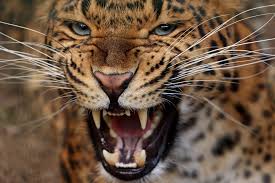
Residents of Lala village, on the outskirts of Homa Bay town, are living in fear after a suspected leopard attack that left eight sheep dead in a chilling overnight incident.
The sheep, belonging to local farmer Apollo Otieno, were found lifeless inside a fenced enclosure early Saturday morning. One of the carcasses had been partially eaten, with its internal organs torn out — a sign that pointed investigators away from the usual suspects.
Initially, villagers suspected a hyena was responsible. However, a team from the Kenya Wildlife Service (KWS) dispatched to the area confirmed that the pattern of the attack was consistent with that of a leopard.Evidence Points to Leopard, Not Hyena
According to KWS officers, leopards are known to kill multiple animals in a single attack but only feed on one, a trait not typical of hyenas, which usually consume what they kill on the spot.
“The scene showed typical signs of leopard behavior,” said Homa Bay County KWS Warden Officer Jackson Kubor. “The killing of many animals and feeding on only one is a signature of leopards — not hyenas or other scavengers.”
This marks the second incident in less than a month. Just two weeks ago, a wild animal dragged away and devoured a guard dog near Otieno’s compound, reinforcing villagers’ fears of a predator prowling the area.Link to Ruma National Park?
Lala village is located just a few kilometers from Ruma National Park, the only terrestrial park in Nyanza and home to a wide range of wild animals including leopards, lions, and hyenas.
Residents now suspect the leopard may have strayed from the park, especially as human-wildlife conflict continues to rise in areas bordering game reserves.
“We’ve never seen anything like this. The community is scared,” said Otieno. “We need KWS to take immediate action before people or more livestock are harmed.”
Community leaders are calling on KWS to increase patrols, deploy traps, and possibly relocate the animal if captured.
KWS Response and Ongoing Investigations
Officer Kubor confirmed that KWS had already initiated an investigation and that traps would be set in the coming days to capture the predator.
“We are aware of the situation and ask residents to remain alert,” he said. “We’re doing everything possible to ensure both community safety and wildlife protection.”
In the meantime, villagers have been advised to:
- Keep livestock indoors overnight
- Avoid walking alone at night or early morning
- Report any sightings of wild animals to KWS
Rising Cases of Human-Wildlife Conflict
Kenya has seen a growing number of human-wildlife conflict cases, particularly in regions bordering national parks. Climate change, deforestation, and shrinking habitats have forced many wild animals to roam closer to human settlements.
The Homa Bay incident is the latest in a string of such encounters, raising alarm among conservationists and locals alike about the need for better buffer zones and emergency response strategies.