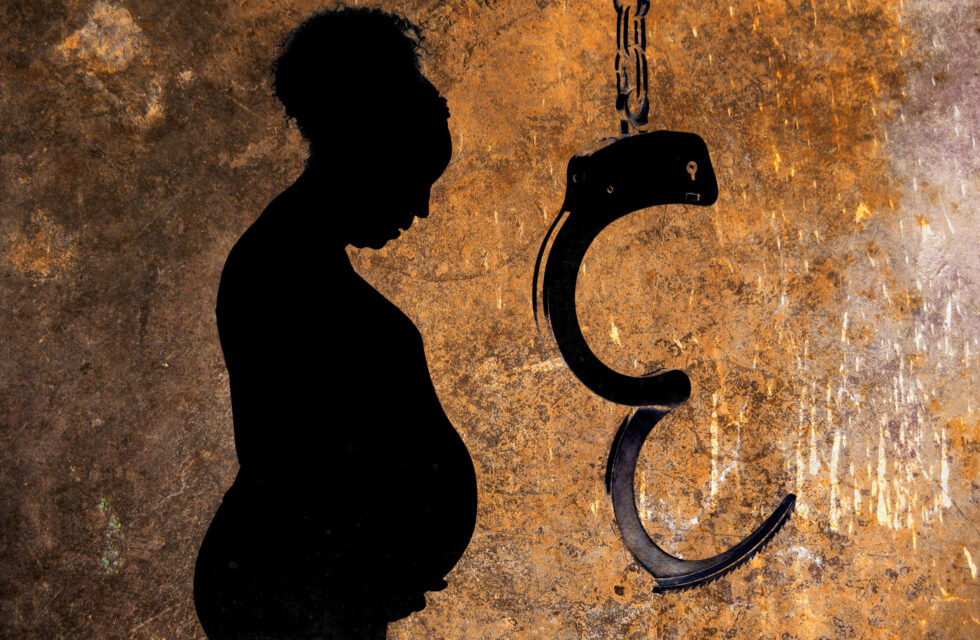
In Kenya, giving birth—the moment meant to bring joy—can become a source of sorrow for many mothers. Too often, women who deliver children are held in hospital wards, not because of medical need, but because they cannot settle their bills. Their babies stay with them. That act—this detention—is not just unlawful; it’s a cruel punishment for the poorest in society.
Under our Constitution, every person is guaranteed the right to health, including reproductive health care (Article 43), and every child has the right to parental care and protection (Article 53). Kenya has signed international treaties such as the Universal Declaration of Human Rights and the Convention on the Rights of the Child. Yet, despite court rulings that hospital detention for inability to pay is illegal, the practice persists. Many mothers are too powerless to resist. The law is clear: patients may be pursued for payment, but not through detention.
Imagine the story of Chepkemoi. She comes to a hospital in labor, trembling and hopeful. She delivers a baby, but complications follow. A bill arrives—KSh 15,000. As a market vendor making KSh 200 a day, she cannot pay. She remains in the ward. Her husband sells a goat but still the days pass. She is ashamed, unable to leave. Her newborn is trapped too.
This is not a rare story. Detaining mothers and babies over unpaid fees scars dignity and humanity. It breaks trust in hospitals, deepens poverty, and violates constitutional rights. Health institutions may claim financial hardship, but detaining vulnerable patients is not a lawful way to collect debts.
Instead, solutions exist. Strengthen and adequately fund social protection programs like Linda Jamii or the Social Health Authority. Make maternity care truly free—not only in policy but in practice. Hospitals should explore structured payment plans or small-claims courts instead of detention. NGOs, philanthropists, and hospitals could establish emergency funds to support needy mothers. At community level, savings groups and local healthcare financing can act as buffers against such crises.
Hospitals do need funds. But financial survival must never come at the expense of basic human dignity. The policy of detaining mothers is not only a breach of law—it’s cruelty. The emotional cost is high. Mothers, exhausted from childbirth, now endure further trauma; newborns spend their earliest days confined. Families sell what little they have. Trust erodes. People suffer in silence.
Our society stands at a choice. Will we prioritize profit over dignity? Or will we uphold motherhood as sacred—valuing compassion, legal justice, and kindness? Childbirth should never be criminalized. Every detained mother reflects a failure in our shared humanity. We must demand stronger oversight of hospitals, enforce existing laws, and ensure that no mother or child is held as collateral for poverty.
When a woman brings life into the world, the least we owe her is protection, not punishment.
Image by Truthout