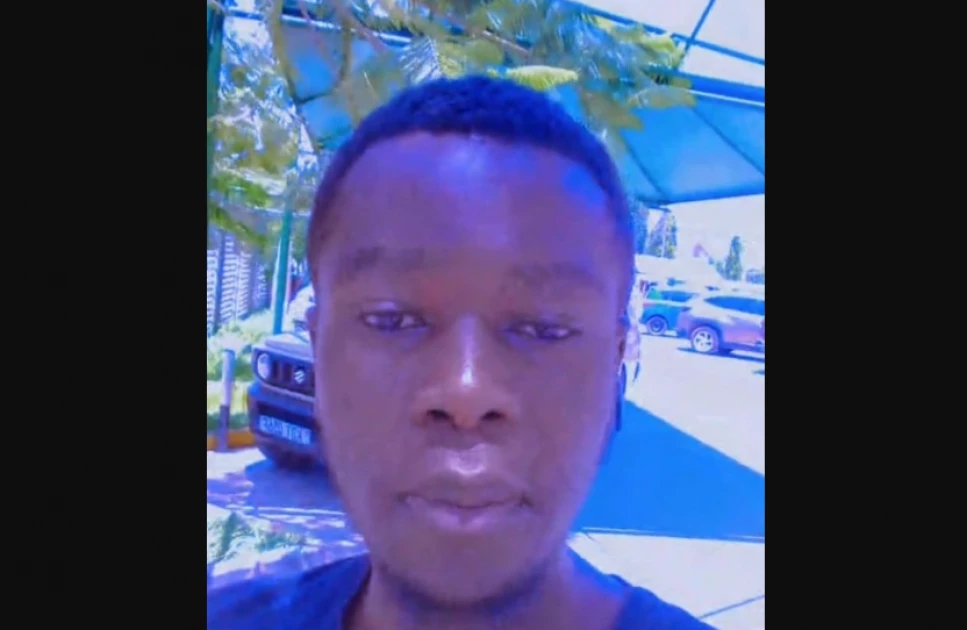
Nairobi, Kenya — Detectives from the Directorate of Criminal Investigations (DCI) have arrested a TikTok content creator accused of spreading false information about an alleged assassination plot, in a case that has reignited debate over online misinformation and digital responsibility.
In a statement issued on Friday evening, the DCI identified the suspect as Roy Otieno Odhiambo, who allegedly published a viral TikTok video on October 20, 2025, claiming that he had been paid Ksh.3.5 million to assassinate a prominent Kenyan individual.
According to the DCI, the video quickly spread across multiple social media platforms, attracting widespread attention and concern. The agency said it immediately launched investigations to determine whether the claims were credible and whether any lives were in actual danger.
“Our officers moved swiftly to verify the authenticity of the claims. After thorough investigations, it was established that the allegations were false and malicious,” the DCI statement read in part.
Detectives traced Odhiambo’s digital footprint, eventually locating him at a hideout in Malindi, Kilifi County, where he was arrested. He has since been processed and is awaiting arraignment in court, the agency confirmed.
The DCI condemned the incident as an example of the growing trend of digital misinformation, warning that individuals who misuse social media platforms to cause public alarm or panic will face prosecution.
“The suspect’s reckless utterances could have caused unnecessary tension and fear among citizens,” the agency said, adding that the Cybercrime Unit continues to monitor online spaces for potential threats to public safety.
Kenyan law, particularly under the Computer Misuse and Cybercrimes Act, criminalizes the publication of false information likely to cause panic, chaos, or violence. Offenders can face imprisonment or heavy fines if found guilty.
The arrest has triggered mixed reactions online. While some social media users applauded the DCI for acting quickly to curb what they described as “dangerous clout chasing,” others expressed concern that the move could signal heightened state surveillance and censorship of online expression.
Digital rights advocates have long warned that while curbing misinformation is necessary, law enforcement must ensure enforcement does not infringe on freedom of speech and creativity on platforms like TikTok, which has become a key space for youth engagement and commentary.
“Freedom of expression comes with responsibility,” said a Nairobi-based cyber law expert. “Creators must verify facts before publishing — but authorities must also avoid criminalizing satire or opinion.”
The DCI’s Cybercrime Unit has been increasingly active in recent months as the government ramps up efforts to combat digital misinformation, deepfakes, and hate speech online. Earlier this year, several bloggers and online commentators were also questioned over the spread of unverified political claims and incitement videos, with authorities warning that the internet “should not be a playground for lawlessness.”
As for Odhiambo, detectives say investigations are ongoing to determine whether he acted alone or as part of a coordinated effort to spread fear. The DCI has urged Kenyans to exercise caution online, verify information before sharing, and report suspicious content to authorities.
“We will not hesitate to take action against anyone who misuses social media to mislead the public or endanger lives,” the statement concluded.