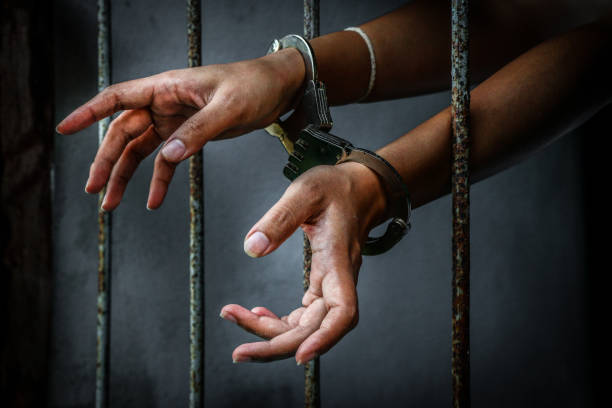
A growing number of Kenyan women detained in Saudi Arabia have come forward with harrowing accounts of torture, neglect and inhumane conditions inside prison facilities, drawing sharp criticism from rights advocates and renewed calls for government action to protect citizens abroad. Their testimonies paint a troubling picture of physical abuse, psychological trauma and systemic failures that have left many fearful for their lives and uncertain about their futures.
The women — most of whom were working in Saudi Arabia when they were arrested — describe a daily reality marked by prolonged detention without clear charges, overcrowded cells, limited access to medical care and, in some cases, allegations of physical and psychological torture. They say that basic rights guaranteed under international human rights norms are routinely violated, with some detainees held in solitary confinement or subjected to harsh disciplinary measures that have had lasting effects on their health and well-being.
Several of the women recounted being detained for extended periods with little information about the allegations against them. Many spoke of languishing in small, crowded cells where poor sanitation and inadequate ventilation compounded their suffering. Others reported being denied access to prescribed medication or being treated harshly by prison staff when they requested medical attention.
One woman, who asked not to be named for fear of reprisal, described being held in solitary confinement for weeks with minimal access to food, water and fresh air. “They would shout at us, beat us, insult us,” she said in a voice filled with emotion. “We did not know why we were being punished, and no one would tell us what crime we had committed.”
Beyond physical mistreatment, detainees said psychological neglect was widespread. Many described long stretches without communication from family members, barriers to accessing legal representation, and limited opportunities to appeal their detention. Relatives back in Kenya have also voiced frustration, saying they are often left in the dark about the status of their loved ones and struggle to obtain reliable information from Saudi authorities.
Human rights groups monitoring the situation warn that such conditions may breach international conventions on the treatment of prisoners, including provisions relating to humane treatment, due process, and access to medical care. They have urged both the Kenyan and Saudi governments to investigate the allegations and ensure that detainees are treated in accordance with international legal obligations.
Advocates also emphasise that Kenya has a duty to protect its citizens abroad, particularly migrant workers who may be vulnerable to exploitation and abuse in foreign jurisdictions. They have called on the Ministry of Foreign Affairs to increase diplomatic engagement, facilitate consular access, and provide support services to affected families, including legal aid and psychological assistance.
Kenyan families with members in detention have lamented the lack of clear communication from diplomatic channels. Many say they have lodged repeated requests for information and assistance but have been met with delays or limited responses. The sense of helplessness is palpable among relatives who worry about their loved ones’ physical and emotional safety.
Immigration and labour experts note that Kenyan migrant workers — especially women employed in domestic work — often face precarious conditions in the Middle East due to weak labour protections, dependency on employers for residency status, and limited access to legal support. When alleged legal issues arise, these vulnerabilities can be compounded, leaving workers exposed to extended detention or harsh penal conditions.
The testimonies emerging from Kenyan women in Saudi prisons have also sparked conversations among civil society leaders, who argue that more robust pre-departure training and legal protection mechanisms are needed to prepare prospective migrant workers for challenges abroad. They say such preparation should include information on legal rights, access to emergency support services, and strategies for maintaining contact with family and consular officials.
In response to the reports, some rights groups have pledged to document the allegations and share findings with relevant international bodies to seek greater transparency and accountability. They also plan to engage both Kenyan authorities and Saudi counterparts to explore avenues for diplomatic resolution and enhanced protection of detainees.
For the women detained and their families, the hope remains that their stories will not go unheard and that a combination of diplomatic intervention, legal advocacy and public pressure can help improve conditions and secure fair treatment. Until then, many continue to endure hardship far from home, holding on to the hope of freedom and a return to their families.