Israel has reversed its decision to include Kenya on a list of countries subject to Ebola-related entry restrictions, following diplomatic pressure from Nairobi, in a move that restores normal travel relations between the two nations.
The decision, which initially sparked a brief diplomatic dispute, was welcomed by Kenya’s Principal Secretary for Foreign Affairs, Dr. Korir Sing’Oei, who described the reversal as a positive sign of cooperation and mutual respect between Israel and Kenya.
Initial Restrictions Trigger Diplomatic Protest
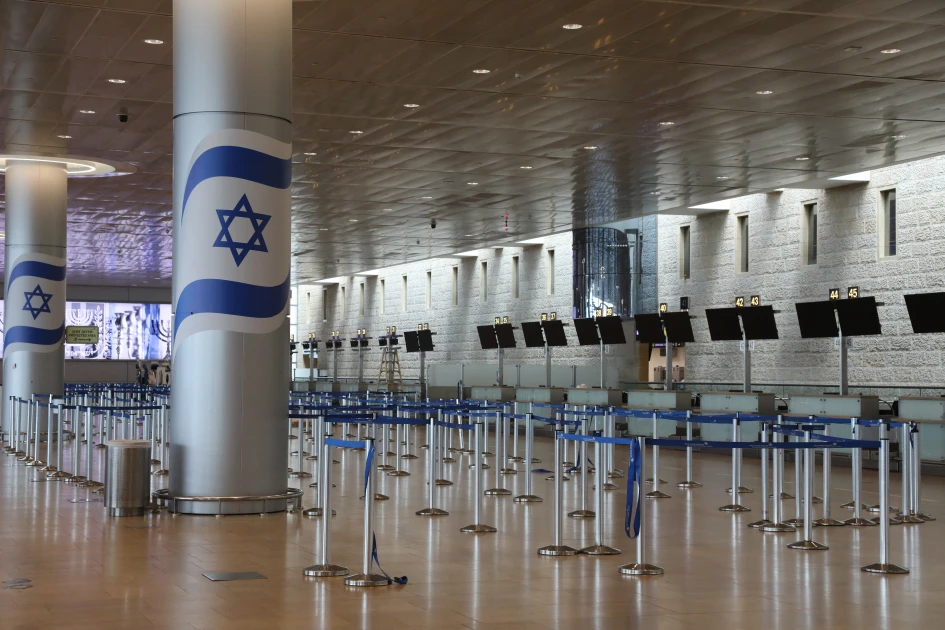
The restrictions were first introduced through a directive issued on June 10, 2026, by Israel’s Population and Immigration Authority via the Border Control office at Ben Gurion International Airport.
The directive required airlines to prevent boarding for passengers bound for Israel if they were citizens or residents of five African countries: the Democratic Republic of the Congo, South Sudan, Rwanda, Kenya, and Uganda. It also applied to foreign nationals who had visited any of those countries within 21 days prior to travel.
Under the rules, airlines were instructed to question all passengers about recent travel history and deny boarding to those who had been in the listed countries. Israeli citizens and residents were exempted from the restrictions.
Kenya Pushes Back
Following the announcement, Kenya strongly objected to its inclusion on the list, arguing that the country had no confirmed Ebola cases and maintained strong surveillance systems.
Dr. Sing’Oei publicly criticized the move on social media platform X, terming it “especially unfortunate,” and emphasizing Kenya’s public health record, including extensive Ebola testing efforts.
He noted that Kenya had conducted over 80,000 tests without a single confirmed Ebola case, adding that the restrictions were inconsistent with the country’s disease status and regional health cooperation efforts.
Diplomatic Resolution and Reversal
After the protest, Israel reviewed the directive and removed Kenya from the list of affected countries, effectively lifting the travel restrictions on Kenyan travelers.
The reversal is being seen as a diplomatic win for Nairobi, restoring confidence among Kenyan travelers, students, businesspeople, and religious pilgrims who frequently travel to Israel.
Kenyan officials welcomed the move, framing it as a reflection of ongoing cooperation and sensitivity in bilateral relations between the two countries.
Travel and Trade Normalization Expected
With the restrictions lifted, normal travel procedures between Kenya and Israel are expected to resume. The development is likely to ease movement for individuals engaged in tourism, education, religious visits, and business between the two nations.
Diplomatic observers say the quick reversal helped prevent a prolonged dispute and reinforced the importance of coordination in public health-related travel advisories.