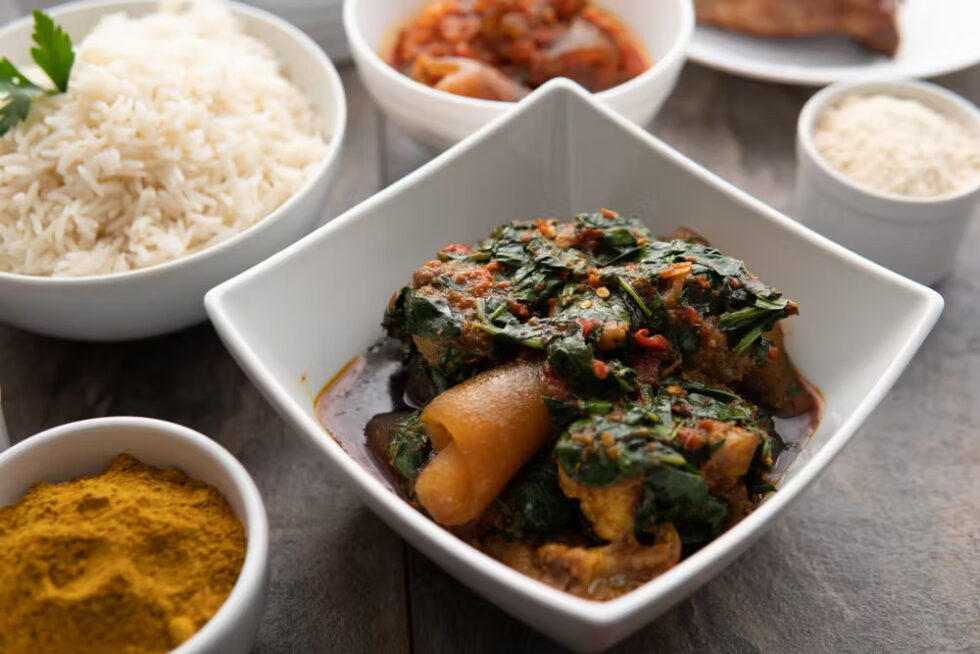
Kenya’s food culture is rapidly changing. Traditional African diets, once rich in natural, nutrient-dense foods, are being replaced by fast food and processed meals. While modern fast food offers convenience, it comes at a high health cost, contributing to rising cases of obesity, diabetes, and heart disease. Are we losing our health in the name of modernization?
The Nutritional Power of Traditional African Foods
Kenyan traditional foods such as ugali, sukuma wiki, ndengu (green grams), sweet potatoes, and indigenous vegetables are packed with fiber, vitamins, and essential minerals. These foods promote long-term health, providing necessary nutrients without excessive calories or harmful additives.
The Fast Food Epidemic
With the rise of fast-food chains and processed snacks, more Kenyans are consuming high-fat, high-sugar, and low-nutrient meals. The consequences include:
- Increased obesity rates, especially in urban areas.
- Higher risk of chronic diseases such as diabetes and high blood pressure.
- Reduced physical activity due to convenience eating habits.
Finding a Balance
While modernization is inevitable, we must find a balance by:
- Promoting Traditional Meals – Government and media should advocate for local, healthy foods over imported fast foods.
- Encouraging Home Cooking – Preparing meals at home using fresh ingredients can improve health and save money.
- Limiting Processed Foods – Reducing sugar, salt, and unhealthy fats in our diets is essential for long-term health.
By choosing healthier traditional diets, Kenyans can maintain good health while preserving their rich food heritage.