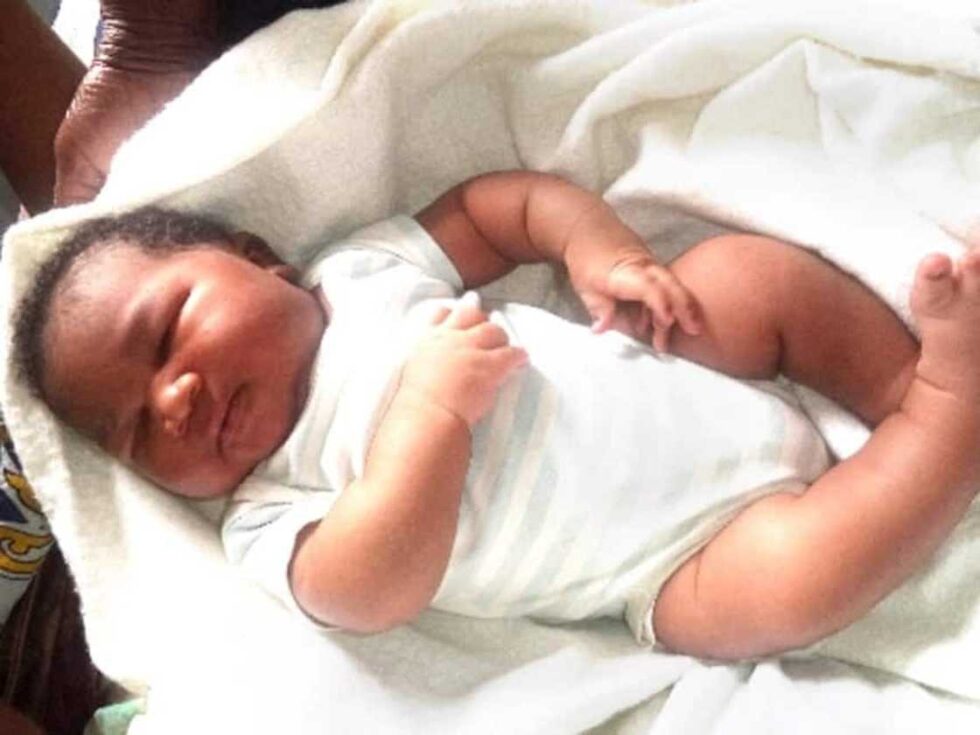
The Luhya community, one of Kenya’s major ethnic groups, boasts a rich cultural heritage, and the tradition of naming newborns holds significant importance within their society. Naming a child is not just a formality but a deep reflection of family history, ancestry, and sometimes even the social status of the child. Here’s a look at the key aspects of the Luhya baby naming culture.
1. Naming Ceremonies
In Luhya culture, the naming ceremony is a joyous occasion that involves close family members and friends. It is often conducted shortly after the baby is born, typically within a few days to a week, depending on the family’s customs. The ceremony is seen as a way to formally introduce the child to the extended family and the community. Elders, who are highly revered in Luhya communities, play a pivotal role in this ceremony, offering blessings for the baby and family.
2. Role of Elders and Ancestry
One of the defining characteristics of Luhya naming is the strong link to ancestral ties. It is common for children to be named after their grandparents or other close relatives, particularly those who have passed away. This tradition serves to honor and remember the deceased, ensuring their legacy lives on. Elders often advise on appropriate names based on the family tree, ensuring that the names reflect continuity and respect for the ancestors.
3. Naming After Family Members
Naming a child after a family member is a way of acknowledging their influence on the family. For example, a boy may be named after his grandfather or an uncle, while a girl may carry the name of her grandmother or a great-aunt. This practice is significant as it strengthens the bond between generations and fosters a sense of belonging within the family.
4. Meaning Behind the Names
Luhya names are deeply meaningful and often carry specific messages or wishes for the child’s future. The names are not chosen arbitrarily; they are filled with symbolism, and each one tells a story. For example, names like “Musa” (meaning “God is good”) or “Wambui” (meaning “joy” or “happiness”) carry positive connotations, reflecting the family’s hopes for the child.
5. Gender-Based Naming
Luhya names are also gender-specific. A name given to a male child is often different from one given to a female, even if they share a similar meaning. For example, male names such as “Musa” or “Wabwire” (meaning a warrior) signify strength and resilience, while female names such as “Wambui” or “Akinyi” (meaning born in the morning) are often linked to nurturing roles or a sense of grace.
6. Spiritual Significance
In Luhya culture, names also carry spiritual significance. Some children are named after spiritual or religious figures, such as the names of prophets or saints, particularly if the family is deeply religious. This practice can be seen in families with strong Christian backgrounds, where names like “Joseph” or “Mary” are given, tying the child’s identity to their faith and moral upbringing.
7. The Role of the Father
The father plays an essential role in naming the child, but it is often influenced by the mother’s family and cultural expectations. In many instances, the father’s choice of a name is validated or guided by the mother’s side of the family, particularly if there are traditional names that are meant to be passed down through the maternal lineage. The final choice of the name often involves the participation of both parents and their extended families, ensuring that the name is culturally significant and meaningful.
8. Community Involvement
Naming a child in Luhya culture is not just a family affair; it is also a community event. The extended family, neighbors, and friends are usually invited to the ceremony, and each participant may offer a prayer, blessing, or advice for the child. This collective participation is a reminder that the child belongs not only to the immediate family but also to the broader community.
9. The Influence of Modernity
While the Luhya naming culture has remained largely intact, the influence of modernity has brought changes. Today, some Luhya families may choose more contemporary or even Western names for their children, sometimes blending traditional names with modern ones. While this is more common in urban areas, many still prefer to maintain the traditional naming practices, as they are seen as an important link to their cultural roots.
10. The Naming of Twins
In some Luhya sub-groups, the naming of twins holds special significance. There are traditional names that are specifically given to twins, and these names reflect their unique status in the community. Some Luhya people believe that twins have special powers or abilities, and therefore, the names they are given may carry specific blessings or prayers for their protection and success in life.
Conclusion
In Luhya culture, baby naming is much more than a ceremonial act—it is an expression of cultural identity, family history, and the community’s role in raising the child. The practice is filled with deep respect for ancestors, spiritual beliefs, and familial bonds. While the modern world continues to influence naming practices, the core values of honoring one’s heritage and ensuring that a child’s name reflects the hopes and aspirations of the family remain central to the Luhya naming culture.