Mulembe Times
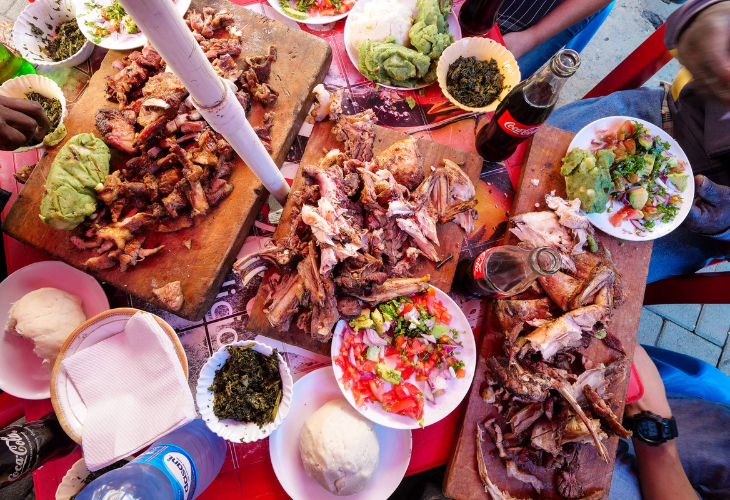
For generations, ugali has held the crown as Kenya’s unofficial staple—an ever-present mound of maize flour porridge on dinner tables from Nairobi’s high-rises to Nyamira’s hillsides. Whether served with sukuma wiki, beef stew, or fried tilapia, ugali has long been celebrated as the embodiment of Kenyan cuisine.
But beneath that doughy surface lies a far richer, more nuanced food story—one as diverse as the more than 40 ethnic communities that call this country home.
Mukimo, Matoke, Mursik: More Than Just Side Dishes
In Central Kenya, ask the Agikuyu what their true staple is and they’ll likely point you not to ugali but to mukimo—a vibrant green mash of potatoes, pumpkin leaves, maize, and peas. It’s hearty, wholesome, and deeply cultural—often served at ceremonies, weddings, and family gatherings.
To the Luhya of Western Kenya, ugali is important—but it’s the chicken, especially the traditional free-range ingokho, that takes center stage. Broiler chicken? Not even in the conversation.
In Luo Nyanza, you’re more likely to find tilapia or omena (sun-dried silver fish) dominating the plate. Fish isn’t just food; it’s an inheritance, a legacy linked to the waters of Lake Victoria. For many Luo families, fish symbolizes both economic pride and ancestral connection.
Travel north to the Kalenjin regions and you’ll find meals paired with mursik—a fermented milk drink stored in soot-lined gourds. Rich in flavor and tradition, mursik is an integral part of rites of passage and everyday life alike. And for many, it’s the perfect pairing with a humble side of boiled maize or potatoes.
Among the Maasai, cuisine is deeply spiritual. Their traditional diet includes meat, milk, and blood, drawn carefully from livestock and mixed with milk in ceremonial fashion. This isn’t simply sustenance—it’s a culture of pastoral honor and endurance.
In the Kisii highlands, no meal feels complete without matoke—steamed and mashed bananas, often simmered in a thick stew of vegetables or beef. It’s comfort food with cultural depth.
Meanwhile, the Kamba, Aembu, and Meru communities in the eastern regions pride themselves on diets built on millet, sorghum, and legumes. Once foods of survival in arid lands, these ingredients have become health-focused staples in the modern age, celebrated for their nutrition and resilience.
Cities of Fusion: Nairobi’s Melting Pot Meals
In today’s urban Kenya, tribal food lines are blurring. In Nairobi, Kisumu, Eldoret, Nakuru, and Mombasa, dinner tables reflect modern identities—eclectic, intermarried, and globalized.
Children raised in multicultural households might eat mukimo on Monday, tilapia on Tuesday, and pasta or even tacos by the weekend. The rise of international cuisine, fast food, and fusion restaurants has given rise to a new kind of “Kenyan plate”—one that includes burgers, noodles, sushi, and pizza alongside githeri, pilau, and chapati.
Even nyama choma, once a weekend indulgence for the older generation, is now as likely to be served with fries as with ugali. Urban Gen Z and millennials are not just eating across cultures—they’re reshaping Kenya’s food identity entirely.
Rural Kitchens Are Changing Too
What’s happening in the cities is slowly seeping into the countryside. With the growth of supermarkets, packaged foods, and mobile phone food trends, even rural kitchens are transforming. A grandmother in Bungoma might still cook ingokho, but her grandchildren are asking for chips and samosas.
Still, traditional foods are far from obsolete. They carry memory, meaning, and roots. For many Kenyans, there’s a deep emotional connection to the meals of their tribe—meals that signal identity, belonging, and love.
So… Is Ugali Still King?
Yes—and no.
Ugali remains beloved: it’s cheap, filling, versatile, and familiar. But to call it Kenya’s staple is like calling English Kenya’s national language—it’s common, sure, but far from the whole story.
Kenya doesn’t have one staple. It has dozens. Our food identity is a patchwork woven from tribal roots, urban evolution, and global influence. And it’s that mosaic that makes Kenyan cuisine so uniquely rich.
So, the next time someone says “Ugali is Kenya’s staple food”, smile and ask:
“Which Kenya are you talking about?”