In the heart of western Kenya, where the vibrant culture of the Luhya people thrives, music has always been more than just entertainment. For generations, the Luhya used music—especially drumbeats—as a tool for communication, conflict signaling, and peacebuilding. While contemporary discussions about African conflict resolution often overlook cultural tools, the traditional Luhya society had a nuanced understanding of how sound could unify or divide, warn or soothe.
Each Luhya sub-tribe had unique instruments and rhythm patterns, but the drum, or ingoma, was universally respected. The Ababukusu, for instance, used large, animal-hide-covered drums to communicate urgent messages. During cattle raids or clan skirmishes, specific beats would reverberate through the hills, alerting warriors to assemble or villagers to seek safety. The tempo, pitch, and frequency of the drumbeat were all carefully designed codes, understood by members of the community but meaningless to outsiders.
One particularly interesting practice involved a combination of music and visual signals. When a raid was imminent, drumbeats would be accompanied by horn blasts and fires lit on hilltops. This multi-sensory approach maximized reach across dispersed homesteads, making the community response swift and coordinated.
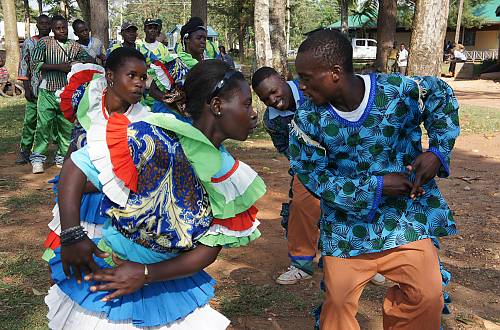
But just as music could signal conflict, it could also restore peace. In times of internal dispute, elders organized a ritual called khuchukha – a peace gathering. These events featured not only verbal negotiation but also music, dance, and food. The goal was to soften hearts, promote empathy, and celebrate shared identity. Women would sing songs of sorrow and reconciliation, while men performed traditional dances like the lipala or esikuti, their synchronized movements reflecting the harmony sought in the community.
Music as a Storytelling tool among Luhya Community
Music also served as a means of storytelling and moral instruction. Songs composed after a battle or feud would often immortalize the events, naming both heroes and troublemakers. This public form of record-keeping discouraged future conflict and honored those who acted with integrity.
During colonial resistance, the power of music once again surfaced. The Luhya used coded songs and chants to rally support against oppressive policies, while preserving morale among the people. One popular form was the benga-influenced protest music, which layered traditional melodies with political messages.
Sadly, many of these practices are fading. Western-style education, urbanization, and religious shifts have contributed to a decline in traditional music’s prominence. Youths are more likely to associate drums with secular entertainment than civic duty or ancestral wisdom.
However, a few cultural preservation efforts are bearing fruit. Community-based organizations and schools are introducing children to traditional instruments and songs. During festivals like Isukuti Night or Bukusu Cultural Week, young and old gather to celebrate their musical heritage, often reliving the communal energy that once defined Luhya villages.
As Kenya navigates complex socio-political landscapes, there’s something to learn from how the Luhya used music as a subtle but powerful form of diplomacy. Beyond the catchy beats and vibrant dances lies a rich tapestry of social cohesion, emotional healing, and historical memory.
We could say. the drumbeat of the Luhya is more than a sound. It is a language—one that spoke warnings, summoned warriors, and called communities to feast or forgiveness. It is a memory, echoing the stories of elders and carrying the vibrations of both sorrow and celebration. And most importantly, it is a bridge—connecting generations, uniting clans, and preserving a collective identity that continues to shape Luhya society today. In the rhythm of each beat lies a lesson, a legacy, and a living testament to the enduring power of culture. Between the past and the future, between conflict and peace, the drum continues to speak.
Image Credits: UNESCO