Kimilili MP Didmus Barasa condemns violent turn of June 25 protests, says frustration can’t justify chaos. Senator Karen Nyamu also questions Gen Z protest strategy.
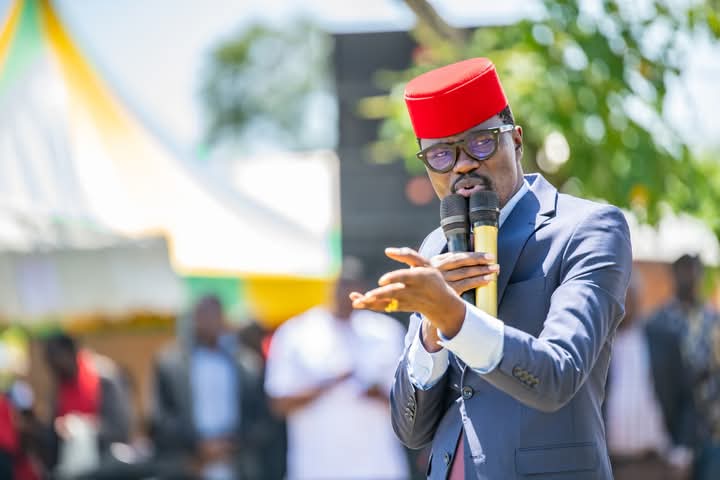
Kimilili Member of Parliament Didmus Barasa has broken his silence following the chaotic June 25 protests, delivering a strongly worded statement condemning the violence that marred what was meant to be a memorial and peaceful demonstration.
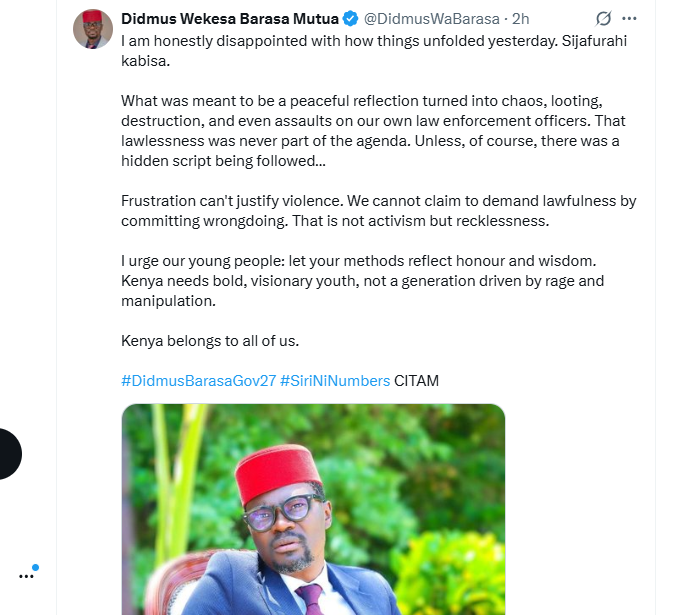
Taking to his official X (formerly Twitter) account on the morning of Thursday, June 26, Barasa faulted the direction the protests took, stating that while frustration with government policies is understandable, it can never justify lawlessness, vandalism, or the assault of law enforcement personnel.
“Frustration cannot justify violence. We cannot claim to demand lawfulness by committing wrongdoing. That is not activism but recklessness,” Barasa wrote.
The demonstrations, staged largely by Kenya’s Gen Z to mark the first anniversary of the deadly 2024 anti-tax protests, were initially framed as a solemn day of remembrance. However, they quickly turned confrontational, with bonfires lit, roads blocked, and confrontations erupting between protesters and police in multiple counties including Nairobi, Kisumu, Mombasa, and Nakuru.
In some areas, properties were vandalized, businesses looted, and several officers injured — incidents that Barasa said dishonoured the spirit of the protests.
“I am honestly disappointed with how things unfolded yesterday. Sijafurahi kabisa. What was meant to be a peaceful reflection turned into chaos, looting, destruction, and even assaults on our own law enforcement officers. That lawlessness was never part of the agenda,” he stated.
Barasa also questioned whether the violence was truly spontaneous, or the result of what he termed a “hidden script,” hinting at possible manipulation or orchestration behind the scenes. While he stopped short of naming individuals or groups, he urged young people to avoid being used as pawns in political or ideological battles.
“I urge our young people: let your methods reflect honour and wisdom. Kenya needs bold, visionary youth, not a generation driven by rage and manipulation,” he wrote.
The Kimilili MP called for responsible activism and peaceful civic engagement, stressing that patriotism is demonstrated not through destruction but through lawful and honourable dissent. He urged the youth to embrace foresight and maturity in how they express discontent with government actions.
Barasa’s sentiments were echoed by Nominated Senator Karen Nyamu, who also lashed out at the nature of the protests in a candid Instagram post on Thursday.
“I didn’t like yesterday’s protests. I thought it was a memorial to remember those who were killed last year. But it turned into chaos, threats, and so much tension. Why? Did you like it?” Nyamu asked.
Nyamu questioned the motive behind this year’s demonstrations, saying the 2024 protests had a clear and compelling cause, but the June 25 memorial appeared disorganised and misdirected.
“Just one question: what exactly were the youth trying to achieve yesterday? Last year, the cause was very loud and clear. This time, you could tell they were first-time protesters with no clear objective. Was that your strategy, or were you following someone else’s script?” she added.
Both Barasa and Nyamu are part of a growing list of leaders within the Kenya Kwanza coalition voicing concerns over the resurgence of Gen Z-led protests. However, critics argue that instead of questioning the legitimacy of the movement, leaders should focus on addressing the root causes of youth discontent — including high taxation, unemployment, and rising cost of living.
Meanwhile, human rights groups such as KNCHR and Amnesty International Kenya have shifted focus to police conduct during the protests, reporting eight confirmed deaths and over 400 injuries.
As tension remains high and calls for accountability grow louder, the battle for public opinion between political leaders and protesting youth appears far from over.