


The Kenya Revenue Authority (KRA) has introduced new tools aimed at making tax compliance easier for ordinary Kenyans, particularly small and micro business owners who often struggle with digital platforms. Through the launch of phone codes and WhatsApp chatbots, the authority hopes to bridge the gap between taxpayers and its services, easing frustrations that have long been raised by citizens across the country.
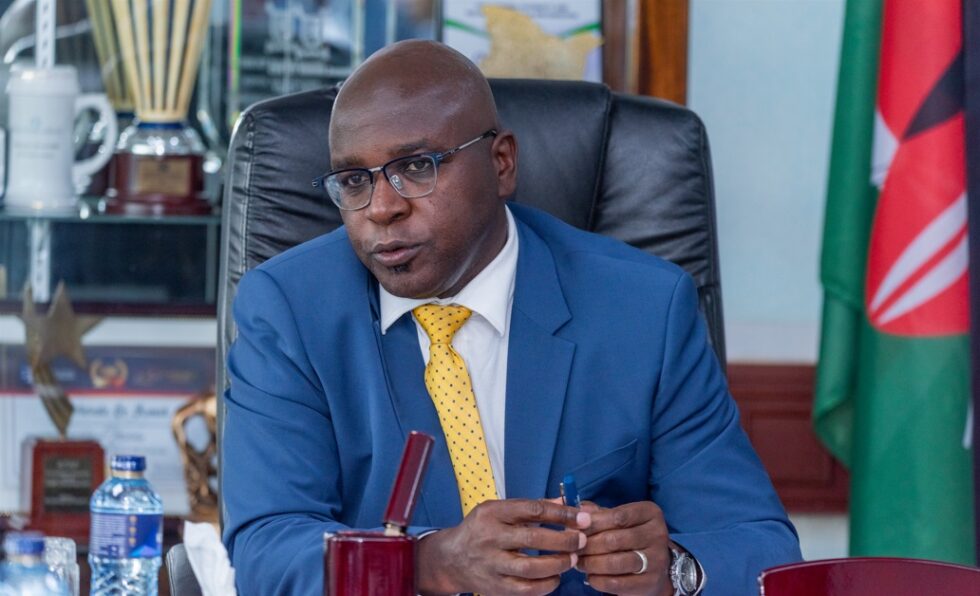
The announcement was made in Mombasa County during a citizens’ assembly, where George Obell, the Acting Commissioner for Micro and Small Taxpayers at KRA, admitted that complaints about the complexity of tax systems like iTax and eTIMS had been taken seriously. According to him, many Kenyans—especially those without smartphones or stable internet—find themselves left out of the system. The new solutions are meant to ensure inclusivity while cutting down the cost and time it takes to meet tax obligations.
One of the key innovations is a USSD service that allows taxpayers to dial a short code on any type of phone to access services such as retrieving and verifying their PINs. Unlike the previous digital-first approach that required internet access, this tool is designed for simplicity and wider reach, ensuring that even those in rural and underserved areas can easily interact with KRA systems. For smartphone users, a WhatsApp chatbot has been launched, offering a more interactive and familiar way to ask questions, access services, and resolve issues.
Obell explained that the motivation behind these changes was to bring services closer to the people. At present, KRA operates 136 service points across the country, serving about 22 million registered taxpayers. However, the concentration of service centers in urban areas has often forced citizens in remote regions to travel long distances for basic assistance. To address this, KRA is rolling out an agent model similar to that used in banking. The first phase will see the recruitment of 10,000 agents this year, who will help Kenyans register, file taxes, and make payments directly from their communities.
The tax authority is also prioritizing education and outreach. Many citizens, Obell noted, are unaware of their tax obligations or how to meet them, leading to non-compliance and confusion. By increasing awareness campaigns, KRA hopes to demystify the tax system and empower people to handle their responsibilities without fear or uncertainty.
This shift reflects a broader recognition that effective taxation depends on fairness and accessibility. By expanding services to people with limited resources and digital skills, KRA is aiming not only to boost compliance but also to build trust with taxpayers who may have previously felt excluded. Obell emphasized that making tax services simpler and more affordable is part of ensuring that all Kenyans can contribute equitably to national development.
The rollout of USSD services, chatbots, local agents, and enhanced education programs signals a significant step in KRA’s effort to modernize without leaving anyone behind. While digital platforms remain central to Kenya’s tax framework, the new initiatives are expected to provide a safety net for millions who might otherwise struggle. In the long run, KRA hopes that this inclusivity will translate into higher revenue collection, stronger public confidence, and better services for all citizens.
IMAGE:KENYA NEWS AGENCY


