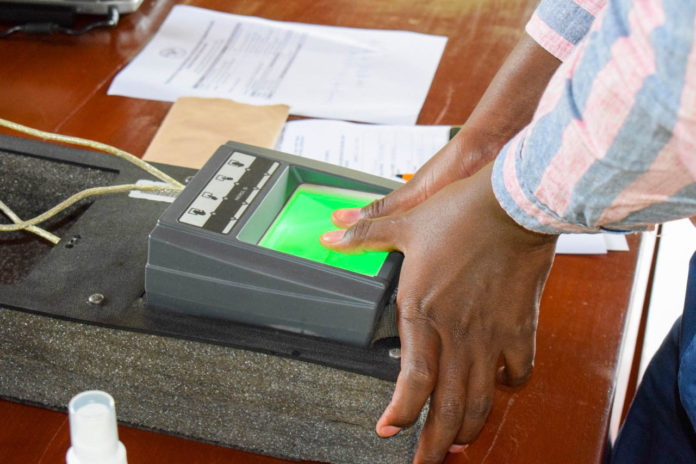
The Independent Electoral and Boundaries Commission (IEBC) is facing mounting criticism from residents and local leaders in Lamu County after releasing voter registration data that many believe paints an inaccurate picture of the situation on the ground. According to the IEBC’s recent update, only one person had registered to vote in the county during the first four days of the ongoing Continuous Voter Registration (CVR) exercise — a figure that has raised eyebrows and sparked widespread disbelief.
The registration exercise, which began on September 29, 2025, is part of a national effort to expand the voter base ahead of the 2027 General Elections. However, the IEBC’s report revealed significant disparities across counties, with urban areas like Nairobi recording more than 1,500 new voters within the same period, while Lamu, Nyamira, and Samburu counties posted almost negligible figures.
In Lamu, community leaders and residents have voiced concerns that the official numbers do not match the reality they see daily. Several residents claim that many young people have shown up to register but are either turned away or told that the systems are down. Others point to logistical failures — from delayed arrival of voter registration kits to poor road networks and insecurity in remote parts of the county — which may have contributed to the sluggish progress.
Civil society groups operating in the region have also questioned IEBC’s preparedness and data integrity. They argue that if only one person was registered in four days, the commission must urgently audit its field operations and verify whether the information being reported is accurate. The low turnout, they say, risks disenfranchising thousands of eligible voters in a county that already struggles with marginalization and limited access to public services.
In response, IEBC officials have attempted to explain the discrepancies, attributing the slow start to technical and logistical challenges. Some registration kits, they said, were still being deployed, while others faced connectivity issues that delayed data transmission to the national servers. The commission also noted that new biometric verification systems — including the introduction of iris scanning to supplement fingerprint recognition — have caused longer processing times in some regions.
Despite these explanations, frustration remains high. Many residents insist that voter registration in marginalized counties should receive greater attention and resources to ensure inclusivity. They are calling on the IEBC to send more registration teams, open additional centers in rural areas, and collaborate with local administrators to mobilize residents.
Political analysts have also weighed in, warning that such inconsistencies in voter data could undermine public trust in the electoral process. They argue that transparent communication and regular updates from the commission are essential to maintaining credibility and ensuring citizens feel their participation matters.
The IEBC has since appealed to community leaders, youth organizations, and local chiefs to help sensitize residents about the importance of voter registration and to report any irregularities encountered during the process. As the registration drive continues, all eyes are on Lamu — a county whose experience may serve as a test case for how effectively Kenya can deliver an inclusive and transparent voter registration process ahead of the next election cycle.
IMAGE COURTESY OF IEBC