


Here’s a rewrite in prose form of the Wananchi Opinion: “Kenya has good teachers, but many are now looking outside” article, keeping to the journalistic style and avoiding plagiarism:
Kenya has long invested heavily in training its teachers—through teacher training colleges and universities, both public and private. These efforts have produced a professional corps of educators who are well qualified and committed. Yet, despite this investment, many of the country’s best teachers are leaving—either to work abroad or in professions outside education. This trend is causing alarm, as it threatens both quality of learning and the stability of Kenya’s education system.
Many teachers say their decision to leave comes down to pay. Salaries for public school teachers often lag far behind the responsibilities they carry—large classes, long hours, and high expectations. Unlike teachers in countries like Canada or the United Arab Emirates, Kenyan teachers frequently face financial pressure even as they try to uphold high teaching standards. The prospect of better compensation elsewhere is a strong pull.
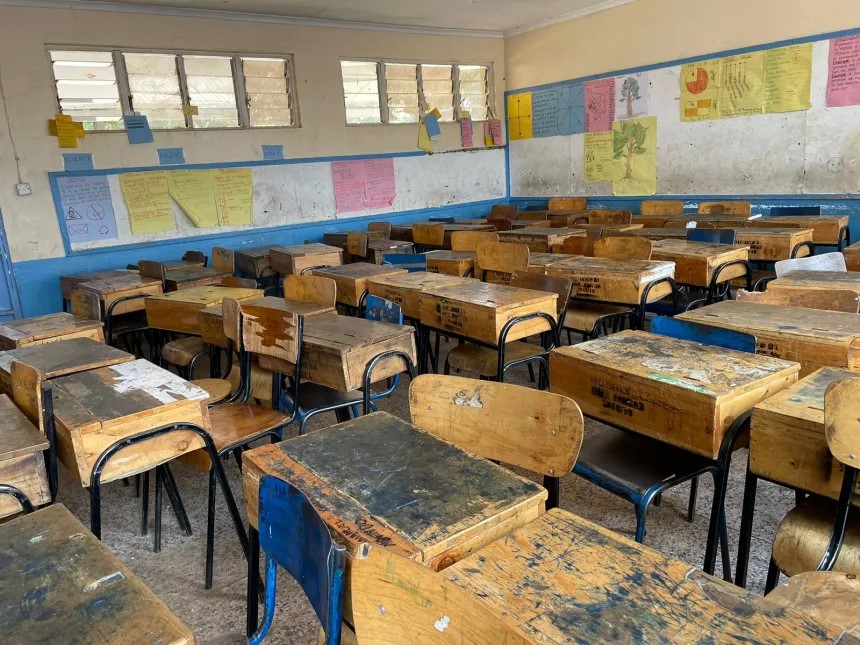
But compensation is just one piece of the problem. Working conditions in many schools are difficult: classrooms with few resources, outdated teaching materials, poor infrastructure, and little access to modern technology. These challenges take a toll. Teachers often must improvise their lessons, deal with overcrowded classes, and make do without supportive systems that are common in better-resourced school settings abroad. Burnout sets in, especially when performance is still measured against high benchmarks.
Career progression is another major concern. In Kenya, promotion processes are often slow and unclear. Teachers may work many years without recognition, even when they exceed expectations. In contrast, many countries that hire Kenyan teachers offer clear professional development pathways, better mentoring, training opportunities, and sometimes even scholarships. These benefits are powerful incentives for those considering leaving.
The costs of this exodus are significant. Schools lose valuable experience and institutional memory when teachers depart, leaving gaps that are hard to fill. Students may suffer from inconsistent teaching quality, reduced mentorship, and fewer role models. The money spent educating and training teachers also goes to waste when the teachers leave soon after qualifying; families and the state both lose out when graduates seek greener pastures overseas.
Another hidden cost is how the profession’s image is changing. As more teachers exit, teaching risks being seen not as a lifelong calling, but as a stepping stone to something else. This undermines morale among those who remain and may dissuade younger people from joining the profession. If teaching becomes associated with instability or lack of opportunity, Kenya may struggle to attract the next generation of talented educators.
Addressing this problem will require deliberate action. The government needs to improve teacher pay and allowances to reflect workload and qualifications. Schools must be better resourced and equipped with modern facilities and technology. Clearer, fairer, and more transparent paths for promotion and professional growth will help to retain committed teachers. Public recognition—through awards, appreciation, and respect—can also help restore pride in the profession.
If Kenya implements these changes, it could slow the loss of its teachers and preserve educational quality. Otherwise, the gap between what Kenya invests in teacher training and what it gets back may grow ever wider—leaving students and the system at a serious disadvantage.
IMAGE BY KBC DIGITAL


