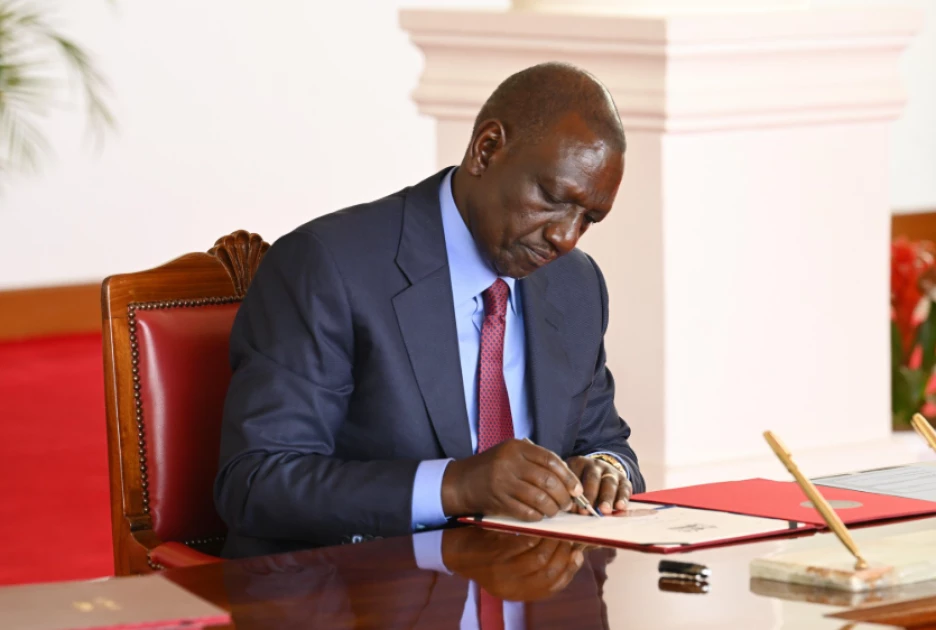
As Kenyans continue to mourn the passing of veteran opposition leader Raila Amolo Odinga, the government’s decision to enact the Computer Misuse and Cybercrimes (Amendment) Act 2024 has drawn sharp criticism from human rights groups and political observers. The law, signed by President William Ruto just hours after Odinga’s death, is being viewed as a contradiction to the democratic principles the late statesman stood for throughout his political life.
On the morning the nation woke to the devastating news of Odinga’s death, President Ruto assented to the bill, which significantly expands state powers over online content. The new law allows authorities to monitor digital activities more closely, restrict access to certain platforms, and penalize online users under broad and loosely defined clauses.
Analysts and civil society organizations have expressed concern over the timing and implications of the legislation, calling it a “setback” to the freedoms Odinga spent decades defending. Odinga’s political legacy was deeply rooted in the fight for democracy, civil rights, and freedom of expression—principles that shaped Kenya’s modern political landscape.
Critics argue that the amendments grant the government sweeping powers without adequate oversight. They fear this could suppress dissent and weaken citizens’ ability to freely express opinions online. “This Act goes against everything Raila fought for,” said one human rights advocate. “At a time when we should be celebrating his contributions to democracy, the state is taking steps that limit the very freedoms he sacrificed for.”
Supporters of the bill, however, maintain that it is necessary to address the growing threat of cybercrime and misinformation. The government insists that the amendments are aimed at protecting citizens from online fraud, digital harassment, and identity theft.
Despite these assurances, the symbolism of the bill’s signing has not gone unnoticed. For many Kenyans, it felt like a betrayal of Odinga’s lifelong mission to protect the rights of ordinary citizens and ensure that power remained accountable. The coincidence of timing—signing the law on the day of national mourning—has sparked outrage and fueled debate about Kenya’s democratic direction.
As the nation reflects on Raila Odinga’s legacy, many are left questioning whether the ideals he championed will endure. The passage of the cybercrime law, in the eyes of many, stands as a stark reminder that safeguarding freedom requires not only words and tributes but a continued commitment to the democratic spirit he embodied.
Image by Citizen Digital