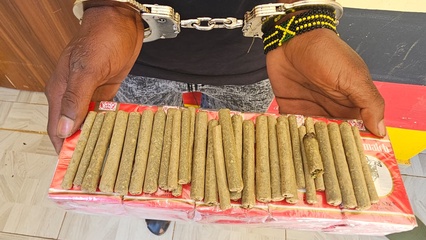
The National Authority for the Campaign Against Alcohol and Drug Abuse (NACADA) has been officially joined to a High Court case in which a group of Rastafarians is seeking legal recognition for the use of bhang as part of their religious practices. The development marks a significant step in the ongoing legal challenge that could have wide-ranging implications for drug policy, religious freedom and constitutional rights in Kenya.
The petition was filed by members of the Rastafarian community, who argue that the current legal framework — which prohibits the cultivation, possession and use of cannabis (commonly referred to as bhang) — infringes on their constitutional right to practise their religion freely. They maintain that bhang is integral to their spiritual and cultural identity, used sacramentally in worship and meditation, and that blanket prohibition unjustifiably limits their religious expression.
In response, the High Court has directed that NACADA be added as a respondent in the case, recognising the agency’s central role in regulating drug abuse and advising the government on policy matters related to narcotics. By bringing NACADA into the legal proceedings, the court aims to ensure that all relevant stakeholders — including those responsible for drug control policy — are heard before any determination is made on the permissibility of bhang use.
Lawyers representing the Rastafarian applicants emphasised that the matter is about more than substance use; it goes to the heart of religious liberty and non-discrimination. They contend that international human rights norms and constitutional guarantees of freedom of conscience support the notion that religious practices should be accommodated, provided they do not harm public health or safety. Attorneys for the petitioners also point to precedents in other jurisdictions where courts have allowed religious use of controlled substances under carefully regulated conditions.
NACADA’s official involvement raises questions about how the authority will respond. Historically, the agency’s mandate has focused on prevention, education and enforcement against drug abuse, including cannabis. In its policy statements, NACADA has highlighted the health risks associated with bhang and other drugs, citing concerns about addiction, impaired cognitive development, and social harms. Its position on whether and how religious exemptions might be accommodated remains to be articulated in the pending legal proceedings.
Legal experts say the case poses complex challenges for the judiciary. Courts must balance competing interests: protecting public health, upholding the rule of law, and safeguarding constitutional rights. If the petitioners succeed, it could require the government to carve out a legal framework that allows religious use of bhang under specified conditions while maintaining controls to prevent abuse and diversion into recreational channels. Such an outcome would be unprecedented in Kenya, potentially placing it among a small number of countries that have crafted nuanced policies distinguishing religious consumption from criminal offence.
Public responses have been mixed. Advocates for drug law reform have welcomed the legal challenge, framing it as an opportunity to revisit outdated policies on cannabis and consider regulatory approaches that prioritise harm reduction and personal freedom. Some civil liberties organisations have also expressed support, arguing that criminalisation of bhang use has disproportionately affected marginalised communities and fuelled unnecessary interactions with the criminal justice system.
Conversely, critics warn that legalising bhang for any purpose — even religious — could send mixed signals and complicate efforts to curb drug abuse. Public health advocates stress the need for robust safeguards and clear differentiation between controlled sacramental use and recreational consumption, which they continue to oppose. Lawmakers have also weighed in, with some calling for careful study and broader consultations before legal reform is contemplated.
The High Court is expected to set timelines for submissions from all parties, including NACADA, the petitioners, and the Attorney-General’s office, which represents the government’s interests. Hearings will likely examine evidence on religious practices, international law, public health data, and constitutional interpretation.
For now, the inclusion of NACADA in the case underscores the seriousness of the legal challenge and sets the stage for a comprehensive judicial review that could reshape the intersection of religion, drug policy and human rights in Kenya.
Image by The Online Kenyan