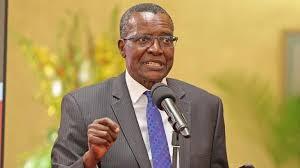
Former Chief Justice David Maraga has called on government authorities to act decisively following a deadly attack at Witima African Inland Church (ACK) that left several congregants injured and others fearing for their lives. Maraga’s statement comes amid national outrage over the incident, which reignited concerns about security at places of worship and the broader safety of civilians in vulnerable communities.
In his remarks, Maraga condemned the attack in strongest terms, describing it as a senseless act of violence that has no place in a peaceful society. He urged the government and security agencies to strengthen preventive measures, ensure perpetrators are held accountable, and provide justice for victims and their families. Maraga emphasised that such attacks strike at the heart of communal trust and violate fundamental rights to life, worship, and security.
The assault on the Witima ACK congregation occurred during a routine church service, when armed assailants stormed the premises, causing chaos and panic. Witnesses reported that worshippers fled in fear as gunfire echoed and cries for help filled the air. First responders and local security personnel later arrived at the scene, attending to the wounded and securing the area to prevent further harm.
Families of the injured and local residents have described the aftermath as traumatic, with many grappling with emotional distress in addition to the physical wounds inflicted by the attack. Some victims were rushed to nearby medical facilities, where they received emergency care for gunshot injuries and shock. Community leaders said that the shadow of fear now hangs over Witima and neighbouring areas, as congregants and families struggle to process the violence that shattered what should have been a peaceful moment of worship.
Maraga’s call for action underscores wider concerns about security in Kenya, particularly in regions that have experienced sporadic attacks by armed groups or criminal elements. He urged authorities not only to apprehend those responsible for the Witima ACK attack but also to address deeper security gaps that allow such incidents to occur. He emphasised the need for improved intelligence gathering, better coordination among security agencies, and community-based strategies that empower citizens to report suspicious activity without fear of reprisal.
In addition to accountability, Maraga highlighted the importance of supporting survivors beyond immediate medical attention. He suggested that comprehensive care — including psychological counselling, community healing initiatives, and financial support for families who lost income earners — is critical to long-term recovery. He also urged religious institutions to work with security officials to develop safety protocols, including emergency response plans tailored to places of worship.
The call for robust action has been echoed by civil society organisations, human rights advocates, and faith-based leaders who argue that protecting citizens’ right to safety and worship must remain a top priority for the government. They have expressed solidarity with the victims and called on the public to remain calm while authorities pursue investigations. Some activists also urged that lessons from this attack be used to strengthen national policies on counter-terrorism and community protection.
Meanwhile, the national government has issued statements assuring Kenyans that investigations are underway and that those responsible will be brought to justice. Security officials have intensified operations in the area, conducting patrols, gathering intelligence, and cooperating with local leaders to prevent further incidents. While details about suspects and motives have not been fully disclosed, authorities say they are exploring all possible leads.
As the investigations continue, families affected by the Witima ACK attack are demanding answers and justice. Many have expressed frustration at the slow pace of official communication, calling for more transparency from security agencies. Community vigils and prayer gatherings have been held to support the victims and call for peace, even as fear and grief linger.
Maraga’s intervention in the wake of the attack highlights the urgency of confronting violence that targets ordinary citizens going about everyday life. His appeal for decisive action — from both security institutions and civic leaders — reflects a growing national desire for effective protection mechanisms and accountability in the face of threats to public safety.
Image by Bizna Kenya