


Health experts have dismissed long-standing claims linking family planning methods to cancer, saying available scientific evidence shows that modern contraceptives — particularly intra-uterine devices (IUDs) — do not cause cancer and may, in some cases, help lower cancer risk when used appropriately and combined with regular screening.
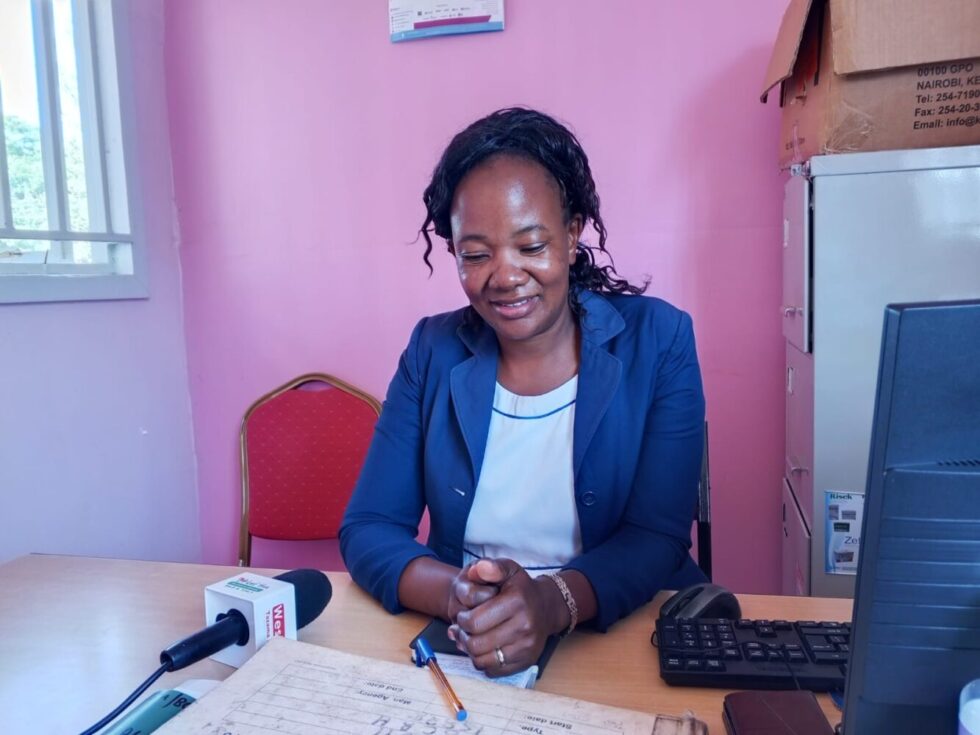
Speaking during World Cancer Day activities at the Bungoma County Referral Hospital (BCRH) Cancer and Palliative Care Centre, oncologist Dr Milla Lusweti said misinformation around family planning continues to discourage many women from accessing both reproductive health services and routine cancer screening.
Dr Lusweti explained that the integration of family planning services with cancer awareness and screening programmes has significantly improved early detection among women who frequently visit health facilities for contraceptive services.
“I want to demystify the myth that once an intra-uterine device (IUD) is inserted, a woman is likely to get cancer. Research has been done and this is not true,” Lusweti said.
She emphasised that IUDs are safe and do not cause cancer, contrary to widespread beliefs circulating in communities.
According to the oncologist, the environment created by an IUD in the body does not favour abnormal cell growth.
“Cancer is an abnormal growth of cells. These abnormal cells cannot thrive where there is a foreign body such as IUD strings, which may inhibit their growth,” she said.
However, Lusweti cautioned that some studies have shown that prolonged use of certain oral or hormonal contraceptives may be associated with a slightly increased risk of breast and cervical cancer.
She stressed that this does not mean women should avoid family planning, but rather that they should make informed choices and consistently go for routine screening.
“This is why it is important for women using any family planning method to attend regular check-ups and screening. Informed choice and early detection remain key,” she noted.
Dr Lusweti urged members of the public, especially women, to take advantage of services offered at the Bungoma County Referral Hospital cancer centre, saying early detection significantly improves treatment outcomes.
She linked her appeal to this year’s World Cancer Day theme, ‘Unite for Unique’, which highlights the need for personalised care and stronger efforts to confront myths and misconceptions that continue to hinder access to healthcare.
“World Cancer Day is important because it raises awareness, promotes early screening and helps debunk misinformation that often prevents people from seeking timely care,” she said.
According to Lusweti, the BCRH cancer centre is currently conducting screening for several common cancers, including breast, cervical, oesophageal, prostate, colon and lung cancers.
She added that chemotherapy services are offered at the facility twice a week, every Tuesday and Thursday.
“We are managing cancer patients here through chemotherapy and supportive care, and we encourage people to come early for screening and treatment,” Lusweti said.
Beyond treatment, the oncologist noted that the cancer centre is also involved in advocacy and community outreach through partnerships with various organisations that support patients and caregivers.
These initiatives include palliative care services, home visits and day-care support programmes aimed at improving the quality of life of patients undergoing treatment.
Dr Lusweti further explained that while the exact cause of cancer is still unknown, several risk factors have been identified.
These include lifestyle-related factors such as tobacco use, excessive alcohol consumption and obesity, as well as environmental exposure to radiation and genetic factors.
“Most of the patients we see are older adults between 45 and 90 years. This does not mean children cannot get cancer, but the majority of cases are among older people,” she said, adding that cancer can affect anyone regardless of age.
She revealed that breast cancer remains one of the leading cancer cases in Bungoma County.
“In the last quarter alone, we recorded 40 breast cancer patients and 11 cervical cancer patients. Of these, 26 were new breast cancer cases and eight were new cervical cancer cases, while the rest were routine follow-ups,” Lusweti disclosed.
Due to limited specialised equipment at the Bungoma facility, some patients are referred to other hospitals for advanced services.
She said patients requiring radiotherapy are mainly referred to Kakamega County Referral Hospital and the Moi Teaching and Referral Hospital (MTRH) in Eldoret.
Patients are also referred to nearby facilities for CT scan services.
“We urge the county government to support the cancer centre with more equipment so that more services can be offered locally,” Lusweti appealed.
The oncologist also encouraged residents to register with the Social Health Authority (SHA), noting that the cover includes laboratory tests and chemotherapy sessions, which significantly reduce the financial burden on patients and their families.
She observed that limited cancer treatment facilities in the country remain one of the reasons many Kenyans seek specialised care in India and other foreign countries.
Highlighting key warning signs, Lusweti advised men to seek medical attention if they experience symptoms such as difficulty in urination and inflammation around the urethra.
General warning signs of cancer, she said, include sores that do not heal, abnormal bleeding, persistent swelling or thickening in any part of the body, indigestion, a persistent cough, and difficulty passing urine or stool.
As Bungoma County joined the rest of the world in marking World Cancer Day, health officials called on residents to prioritise screening, abandon harmful myths and embrace evidence-based health information to improve early diagnosis and survival outcomes.


