Patients living with sickle cell disease and other blood-related conditions in western Kenya are set to benefit from improved and safer transfusion services after the Jaramogi Oginga Odinga Teaching and Referral Hospital (JOOTRH) secured the installation of the Reveos Automated Blood Component Processing System.
The advanced equipment, which is expected to revolutionize blood processing and transfusion services in the region, was acquired following a placement agreement between JOOTRH and Konrad Science Limited, the authorized distributor of Terumo Blood and Cell Technologies in Kenya.
Under the partnership, the hospital will receive the Reveos system alongside essential start-up reagents, standard accessories, a dedicated Uninterruptible Power Supply (UPS) and comprehensive staff training to ensure effective and sustainable operation.
Once commissioned, the state-of-the-art technology will automate the separation of whole blood into red blood cells, plasma and platelets — a process traditionally performed manually and often prone to variability. Automation is expected to significantly enhance efficiency, consistency, safety and quality in blood component preparation.
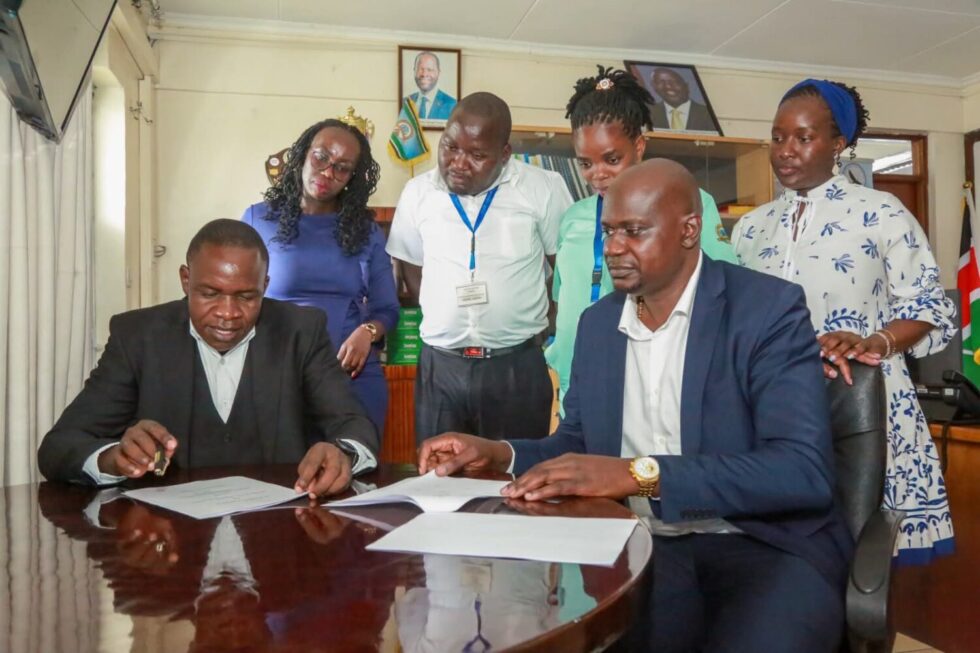
“This marks a major step forward in how we handle blood and blood components. It’s a breakthrough for patients, particularly those managing chronic conditions like sickle cell disease,” said JOOTRH Chief Executive Officer Dr Joshua Okise during the signing ceremony.
The new system is set to strengthen the hospital’s blood bank services, which play a critical role in emergency care, oncology, maternal health and surgical procedures. For the growing population of sickle cell patients in the Lake Region, the impact could be life-changing.
Sickle cell disease, a hereditary blood disorder, remains one of the leading causes of hospital admissions among children and young adults in western Kenya. Many patients require frequent blood transfusions to manage chronic anemia, prevent organ damage and improve their quality of life. However, delays in accessing well-matched and properly processed blood components have long posed challenges.
“With this technology, we are moving toward safer, faster and more reliable transfusion support for our patients,” said Dr Stephen Ojuma, Director of the Victoria Annex, who co-signed the agreement. “It will significantly improve our capacity to provide red cell exchange, plasma transfusion and platelet therapy right here in Kisumu.”
The development aligns with the national health strategy aimed at decentralizing specialized services and easing pressure on Nairobi-based referral hospitals. JOOTRH serves as a major referral facility for 10 counties within the Lake Region Economic Bloc and has steadily positioned itself as a centre of excellence in hematology and transfusion medicine.
Medical experts say the introduction of the Reveos system will not only improve clinical outcomes but also support research and innovation in transfusion medicine, particularly in understanding the unique transfusion needs of sickle cell patients in sub-Saharan Africa.
The signing ceremony was witnessed by officials from the Victoria Annex and JOOTRH Legal Advisor Mariela Awuor, underscoring the institution’s commitment to transparency and collaborative partnerships in strengthening healthcare infrastructure.
As preparations begin for the commissioning of the system, optimism is high among healthcare workers and patients alike. The investment signals a shift toward a more technology-driven and patient-centered approach to care, offering renewed hope to thousands living with sickle cell disease.
“Our goal is to ensure that every child and every patient with sickle cell disease receives timely and high-quality blood care,” Dr Okise emphasized. “With this investment, we are closing the gap between need and access.”
According to the Ministry of Health, an estimated 14,000 children are born with sickle cell disease annually in Kenya, with the highest prevalence recorded in western Kenya, the Coast and Nyanza regions. The condition is characterized by abnormally shaped red blood cells that can block blood flow, leading to severe pain, infections and organ damage.
In Kisumu and surrounding counties, the disease burden remains particularly high due to genetic and environmental factors. Many families grapple with frequent hospital visits, high treatment costs, stigma and limited access to specialized care.
Over the past decade, JOOTRH has emerged as a leading referral centre for sickle cell management, offering diagnostic services, regular transfusion support, counseling and public awareness programs. The introduction of the Reveos Automated Blood Processing System is now viewed as the next frontier in improving the safety, availability and quality of blood care critical to managing the disease.