Civil society organisations in Bungoma County have opposed the proposed Sh16.7 billion budget for the 2026/27 financial year, accusing the county government of underfunding the health sector and failing to prioritise primary healthcare services.
The groups argue that allocations to public health and primary healthcare (PHC) are insufficient and could undermine efforts to strengthen community health services, disease prevention programmes, and the attainment of Universal Health Coverage (UHC) across the county.
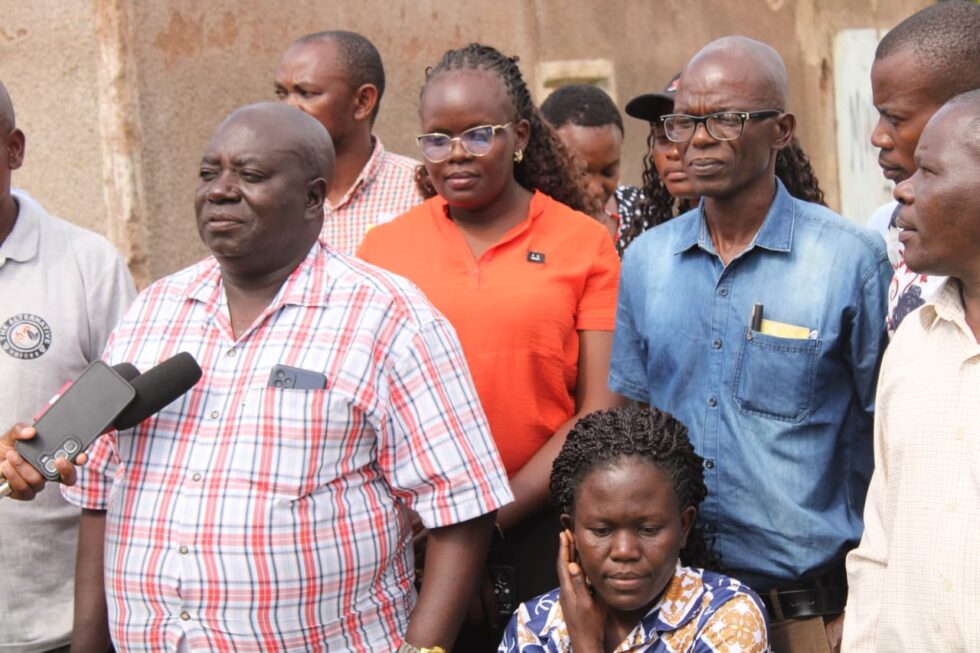
The concerns were raised during a budget analysis forum attended by officials from the County Department of Health and Sanitation, civil society representatives, and budget champions. The forum reviewed the county’s proposed spending plans ahead of debate and approval by the County Assembly.
Speaking during the meeting, budget expert Ezekiel Odeo said the proposed allocations to public health and PHC fall far below what is required to effectively address the healthcare needs of Bungoma residents.
According to Odeo, less than Sh200 million has been allocated to public health and primary healthcare, a move he warned could expose residents to preventable diseases and weaken health promotion interventions at the grassroots level.
“The proposed budget towards public health and primary healthcare is below Sh200 million. That is a huge challenge to our people because without investing adequately in health promotion, disease prevention, and sanitation services, the health of our communities will be at risk,” said Odeo.
He emphasized that primary healthcare remains the foundation of an effective health system, noting that investments in community health, sanitation, immunisation, and disease surveillance are critical in reducing pressure on hospitals and lowering healthcare costs.
Odeo also called on the Bungoma County Government to expedite the implementation of the Community Health Promoters (CHPs) law, arguing that the legislation would provide a clear framework for the recruitment, management, and remuneration of community health workers.
“I urge the County Government of Bungoma to move with speed and implement this law because we cannot predict what health challenges may arise tomorrow. Community Health Promoters play a very critical role in strengthening primary healthcare services,” he said.
The budget expert further blamed delays in the payment of stipends to Community Health Promoters on the absence of a legal framework governing their engagement with the county government.
“The reason why CHP stipends continue to delay is because we do not have a law that clearly guides their engagement with the county government. The county should establish a dedicated fund to ensure timely payment and support for these frontline health workers,” he added.
Beyond healthcare, Odeo expressed concern over the allocation of less than Sh500 million to the agriculture sector, describing it as inadequate for a county whose economy is heavily dependent on farming and agribusiness.
He argued that the allocation falls short of addressing key challenges facing farmers, including access to quality seeds and fertilisers, extension services, irrigation development, pest and disease control, value addition, and market linkages.
“Agriculture remains the backbone of Bungoma’s economy. Underfunding the sector means limiting opportunities for food security, employment creation, and household income growth. Increased investment in agriculture is necessary if the county is to achieve sustainable economic development,” he said.
Odeo urged Members of the County Assembly (MCAs) to scrutinise the proposed budget and advocate for increased allocations to sectors that directly impact residents’ welfare.
“As we expect the County Assembly to table and debate this budget, we urge members to prioritise areas that have received low allocations. During the supplementary budget process, public health and primary healthcare should be given special consideration because these are services that directly affect residents,” he noted.
He further revealed that budget documents indicate nearly 70 per cent of the proposed budget has been allocated to recurrent expenditure, with salaries alone consuming approximately Sh7 billion. Development expenditure, on the other hand, has been allocated about Sh5 billion.
According to Odeo, the imbalance between recurrent and development spending could hinder the county’s ability to implement transformative projects and improve service delivery.
“If this is the final budget structure, it will be difficult for the county to implement meaningful development projects. More resources should be directed towards development programmes that have a direct impact on residents,” he said.
Health activist Phelgona Odipo also criticised the proposed budget, citing inadequate detailing of expenditure and a lack of clear budget coding for several allocations.
She argued that the absence of specific expenditure codes could make it difficult for the public and oversight institutions to track spending and monitor the implementation of programmes.
“While we appreciate the county’s efforts to allocate resources across key sectors, we are concerned that several budget provisions lack specific expenditure codes and clear programme details. Without proper coding, it becomes difficult to track spending and ensure accountability,” said Odipo.
She urged the county government to assign specific budget codes to all allocations to promote transparency, prudent use of public resources, and effective service delivery.
The Bungoma County Assembly is expected to table the budget on Tuesday before debating it on Wednesday, setting the stage for discussions on whether key sectors such as health and agriculture will receive additional funding before the budget is approved.