The Malava parliamentary seat, left vacant by the death of three-term MP Moses Malulu Injendi, has sparked a fierce political contest as the by-election draws closer. The United Democratic Alliance (UDA) is facing internal wrangles, clan divisions, and pressure to select a winning candidate, while rival parties sharpen their strategies.
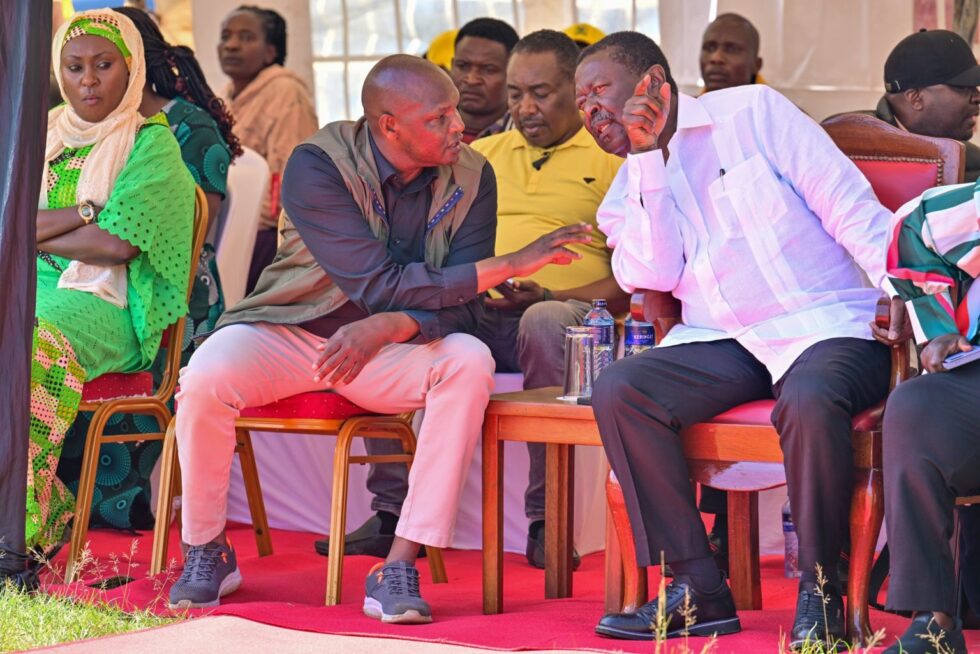
UDA’s nomination process is under scrutiny amid reports of brokers extorting cash from hopefuls, promising them party tickets by invoking influential names such as Prime CS Musalia Mudavadi and President William Ruto’s aide Farouk Kibet. Some aspirants have reportedly parted with large sums to secure what they believe is insider support.
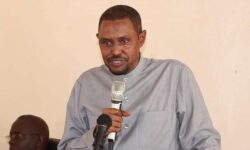
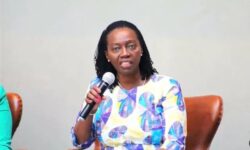
The contest is further complicated by clan dynamics. Malava’s major clans — Abashuu, Abasonje, and Abatovo — have fielded multiple aspirants, fragmenting traditional voting blocs. Advocate Leonard Shimaka, MCA David Ndakwa, Wilberforce Tuvei, and former principal Simon Kangwana all hail from the Abashuu clan, splitting its support base. Meanwhile, Seth Panyako, the Kenya National Union of Nurses Secretary General, is mounting a strong challenge under the DAP-K ticket, threatening UDA’s dominance.
Political observers note that UDA must move swiftly to settle on a credible and unifying candidate. Internal favorites such as Shimaka and Kangwana have visible grassroots support, but the presence of Tuvei, running independently, could dilute votes. The late MP’s son, Rhyan Injendi, initially explored alternative parties after expressing disappointment with UDA but has since been spotted at party events, signaling possible reconciliation.
Beyond the party intrigues, Farouk Kibet’s influence in Malava continues to grow. His frequent visits, charitable contributions, and development support — including school renovations and group fundraisers — have endeared him to voters and could sway the final outcome.
With the IEBC expected to announce the mini-poll date soon, the race is shaping up to be one of Western Kenya’s most competitive political battles this year. Analysts warn that a divided UDA ticket could hand an easy victory to the opposition, while a unified front could secure the ruling coalition a crucial seat in the region.