


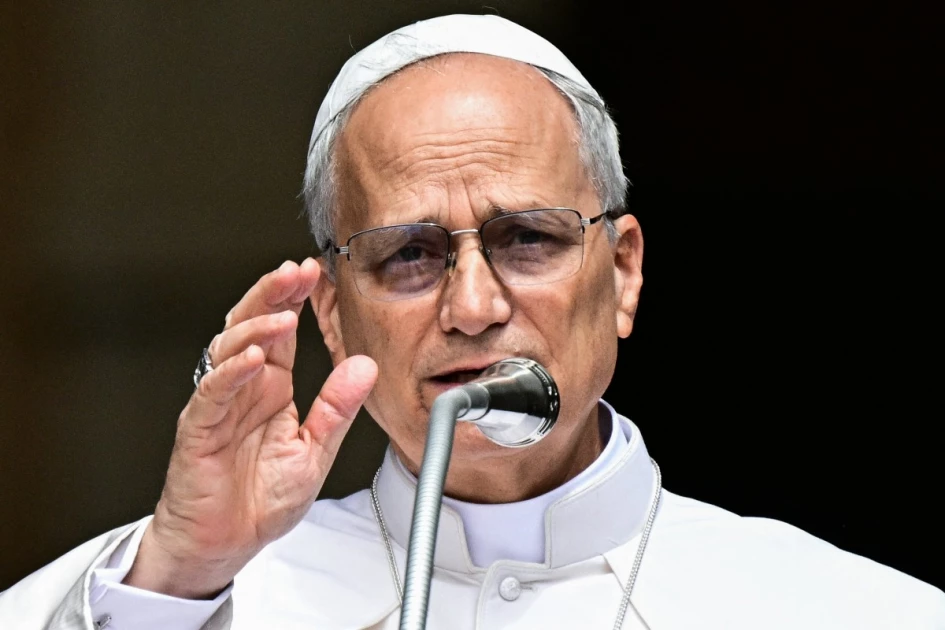
Vatican City, October 19, 2025 — In a historic and emotional ceremony at St. Peter’s Square, Pope Leo XIV canonised seven new saints on Sunday — among them an extraordinary figure: Bartolo Longo, a former Satanic priest who renounced occultism, returned to Christianity, and devoted his life to faith and charity.
As the bells of St. Peter’s Basilica rang out across Vatican City, tens of thousands of pilgrims from around the world filled the square to witness the canonisation ceremony — the second since Pope Leo XIV’s election earlier this year.
“Today we have before us seven witnesses, the new Saints, who, with God’s grace, kept the lamp of faith burning,” Pope Leo told the estimated 70,000-strong congregation. “May their intercession assist us in our trials and their example inspire us in our shared vocation to holiness.”
A Journey from Darkness to Light
Among the new saints, Bartolo Longo’s story stood out as one of redemption and transformation. Born in 1841 in Italy, Longo was raised in a devout Catholic family but turned to Satanic rituals during his youth. After years of involvement in occult practices, he experienced a profound spiritual conversion, returning to the Catholic Church.
Guided by Dominican friars, Longo dedicated the rest of his life to prayer, charity, and service. He founded the Pontifical Shrine of the Blessed Virgin of the Rosary of Pompeii, which became a global centre of Marian devotion. Longo died in 1926 and has long been venerated as a symbol of repentance and divine mercy.
“His life shows us that no one is beyond redemption,” Pope Leo said during his homily. “God’s grace can transform even the deepest darkness into light.”
Other Newly Declared Saints
The Pope also canonised six other figures from across the world:
- Peter To Rot, a lay catechist from Papua New Guinea, martyred during the Japanese occupation in World War II for defending Christian marriage and faith.
- Ignazio Choukrallah Maloyan, an Armenian archbishop killed in 1915 during the Armenian genocide, recognised for his unwavering faith in the face of persecution.
- Jose Gregorio Hernandez Cisneros, known as the “Doctor of the Poor,” a Venezuelan physician who dedicated his life to serving the sick and needy before his death in 1919.
- Three nuns who devoted their lives to caring for the poor and the sick, representing selfless compassion and service within the Church.
Their portraits were unfurled from the Vatican’s grand windows as Pope Leo, dressed in a white ceremonial cassock and mitre, emerged from St. Peter’s Basilica accompanied by cardinals and bishops.
Cardinal Marcello Semeraro, Prefect of the Dicastery for the Causes of Saints, read aloud the biographies of the seven before the Pope officially declared them saints through the solemn canonisation formula — greeted by thunderous applause from the crowd.
Pope Leo XIV’s Canonisation Era
This was the second canonisation presided over by Pope Leo XIV — formerly Robert Prevost — since assuming leadership of the Catholic Church on May 8, 2025.
Last month, he canonised two young Italian Catholics: Carlo Acutis, the teenage internet evangelist nicknamed “God’s Influencer”, and Pier Giorgio Frassati, remembered for his joyful charity and devotion to the poor.
During Sunday’s Mass, Pope Leo described the new saints as “martyrs, evangelisers, founders, and benefactors of humanity,” each embodying different aspects of holiness that the Church hopes the faithful will emulate.
Canonisation and Its Meaning
Canonisation marks the final step in the Catholic Church’s recognition of sainthood, following a rigorous process that includes verification of miracles attributed to the person’s intercession after beatification.
By declaring them saints, the Pope authorises public veneration of the individuals throughout the universal Church — celebrating their lives as models of faith, courage, and divine love.
As the ceremony concluded, the Vatican choir sang hymns of thanksgiving while pilgrims waved flags from across continents — from Italy and Venezuela to Papua New Guinea and Armenia — symbolising the global unity of the Church.
For many, Bartolo Longo’s story resonated most deeply: a reminder that even the most unlikely sinner can become a saint.


