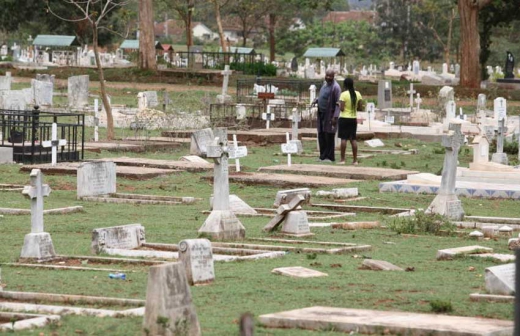
The Lang’ata Cemetery in Nairobi is facing potential closure due to public health concerns raised by the Ministry of Health. The cemetery, which has been in use for several decades, is reportedly overcrowded and has been described as posing significant health risks to nearby residents. The Principal Secretary for Health, Mary Muthoni, issued a stern warning about the deteriorating condition of the site and the public health hazards associated with its continued use.
Lang’ata Cemetery, which was officially declared full many years ago, has seen increasingly disorganized burial practices, including shallow graves and exposed remains, as the demand for burial space in Nairobi continues to grow. The overcrowding has led to numerous environmental and public health concerns. The cemetery is located near residential areas, and local residents have reported unpleasant odors and fears of diseases emanating from the site.
PS Muthoni emphasized that the cemetery’s condition was no longer sustainable and that its continued use could lead to the spread of diseases such as cholera, tuberculosis, and other airborne infections. The ministry’s warning comes after several public health assessments revealed that the cemetery had become a significant environmental hazard. Additionally, improper burial practices have exacerbated the situation, with some graves being filled to capacity without proper maintenance or safeguards.
In response to these concerns, the government has initiated plans to close Lang’ata Cemetery. However, there is currently no alternative cemetery in Nairobi to accommodate the growing number of burials, which has raised fears of an impending crisis in the city. PS Muthoni has urged residents to consider alternative burial options in neighboring counties, where burial space is still available. The government is also looking for suitable land in Nairobi to establish a new cemetery, which would help address the increasing demand for burial spaces.
While the closure of Lang’ata Cemetery is still in the planning stages, the government is working with environmental agencies and local authorities to ensure that the closure process is carried out in an orderly manner. Additionally, there are discussions about how to improve burial practices to prevent the spread of diseases and maintain the dignity of those buried.
The move to close Lang’ata Cemetery has sparked a wider conversation about the need for better planning and management of burial sites in Nairobi and across Kenya. As urbanization continues to rise and available land becomes scarcer, the government will need to find long-term solutions to manage funeral services, including the establishment of more efficient and environmentally sustainable cemeteries.