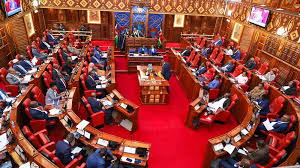
The Senate’s Mashinani initiative officially kicked off in Busia County, drawing both excitement and impatience from residents eager to see oversight translate into tangible results. The week-long outreach brings Senate activities directly to the counties, allowing lawmakers to engage with the public, inspect stalled projects, and address county-level challenges firsthand.
The session began with high expectations as senators arrived to hold plenary and committee meetings within the county. Residents, traders, and local leaders welcomed the legislators warmly but were quick to demand visible progress on key infrastructure projects, particularly the long-delayed road networks, border facilities, and the county stadium. Many emphasized that their support for devolution depends on seeing real benefits materialize on the ground rather than in reports and promises.
For Busia, a county positioned strategically along the Kenya-Uganda border, the Mashinani visit carries major economic implications. The county serves as one of the busiest cross-border trade routes in East Africa, yet inefficiencies at the border and poor road conditions have long frustrated residents and business operators. A local trader remarked that although Busia’s economy relies heavily on regional trade, the infrastructure often lags behind its potential. “We’re grateful the Senate is here,” she said, “but we want more than speeches. We want roads repaired and projects completed.”
The senators are expected to tour major facilities, including the Busia and Malaba One-Stop Border Posts, as well as other county projects that have faced delays or mismanagement. One such project drawing scrutiny is the Busia Stadium, which has remained incomplete despite being allocated nearly KSh 600 million. Lawmakers have pledged to question county officials over the delays and ensure accountability in the use of public funds.
During the opening session, Senate leaders reaffirmed their commitment to making devolution work effectively by bridging the gap between local and national governments. They emphasized that the Mashinani sessions were not just symbolic visits but a means to listen to citizens directly, understand challenges on the ground, and ensure counties deliver essential services.
Residents, however, remain cautiously optimistic. Many expressed concerns that similar visits in the past ended without follow-up, leaving promises unfulfilled. A teacher from the county noted that without clear timelines and measurable outcomes, the initiative risks being viewed as another public relations exercise. “We’ve seen leaders come, talk, and leave before,” she said. “This time, we’re hoping for action, not politics.”
Still, the presence of national legislators has already stirred optimism among traders and youth groups. Small business owners around the border towns have reported increased activity and hope the visit will lead to improved infrastructure that could ease transport and trade.
As the Senate Mashinani sessions continue throughout the week, all eyes remain on Busia. The county’s residents are not merely seeking attention—they are demanding accountability, progress, and proof that devolution can work for them. Whether the Senate’s visit will spark lasting change or fade into another political gesture depends on the follow-through once the microphones are turned off and the sessions conclude.
IMAGE : KENYAN PARLIAMENT