Sure — here’s the rewritten version of the article in a smooth, factual prose format (approx. 500 words), following your preferred structure and tone:
CoG Steps In as Kiambu Health Crisis Deepens Amid Doctors’ Planned Protest
The Council of Governors (CoG) has called for an emergency meeting following growing unrest in Kiambu County’s health sector, where doctors have threatened mass protests over what they describe as a “worsening healthcare crisis.” The decision comes amid mounting tension between medical practitioners and the county leadership, sparked by allegations of multiple neonatal deaths linked to poor management and lack of medical resources in county hospitals.
Doctors under the Kenya Medical Practitioners, Pharmacists and Dentists Union (KMPDU) have accused the Kiambu County Government of neglect, citing deplorable working conditions, insufficient equipment, and critical shortages of staff and medicine. They claim these shortcomings have led to preventable infant deaths, sparking outrage across the country and prompting calls for accountability from the devolved administration.
In response to the escalating dispute, CoG Chair Ahmed Abdullahi announced that governors would convene a meeting to discuss the matter urgently and to find a lasting solution. He emphasized the importance of dialogue, saying the health of citizens should not be compromised by political or administrative disputes. However, Abdullahi also downplayed some of the doctors’ claims, suggesting that certain reports of neonatal deaths may have been exaggerated or misrepresented, a statement that quickly drew backlash from the union.
The KMPDU leadership has dismissed the CoG’s remarks as insensitive and misleading. The union insists that the figures and claims made by healthcare workers are backed by evidence from hospitals within the county. According to the union, the situation has reached an alarming level, with doctors working under severe pressure while trying to save lives in facilities that lack essential supplies. They have demanded that CoG issue a public apology and commit to an independent investigation into the deaths and overall health crisis in Kiambu.
Initially, the union had planned to stage a large-scale protest today to pressure the county and national governments to act. However, KMPDU later postponed the demonstrations to October 13 to allow for wider participation and continued engagement with CoG and the Ministry of Health. The delay, they said, is meant to give dialogue a chance, but the union warned that if no tangible progress is made, doctors will have no choice but to take to the streets.
Meanwhile, residents of Kiambu have expressed growing concern over the state of healthcare in the region. Many say that essential services such as maternal care have become unreliable, forcing patients to seek treatment in neighboring counties or private facilities they can barely afford.
Analysts say the outcome of the CoG meeting will be critical for the future of devolved healthcare in Kenya. If meaningful solutions are reached, the crisis could serve as a turning point toward reform. However, if the meeting ends in empty promises, it risks deepening public mistrust and further destabilizing an already strained health system.
As the nation watches closely, the people of Kiambu continue to hope for decisive action that restores dignity and confidence in their public health services.
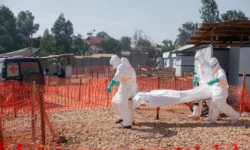
IMAGE: THE STANDARD