In the days leading up to Raila Odinga’s passing, Kenya was enveloped in a cloud of uncertainty, rumor, and political tension. The veteran opposition leader, often referred to as Baba by his supporters, died on October 15, 2025, while in India — but the mystery surrounding his final days has sparked widespread speculation and emotion across the country.
From late September, Raila had noticeably withdrawn from public activities. His last major public engagement was on *September 22, during an ODM meeting in Nairobi, where the party was mapping out its political strategy. After that, his public presence became rare. He was only seen briefly on *October 3, when he attended two private events — one celebrating his sister’s academic achievement and another involving a meeting with Gor Mahia football officials. Afterward, he disappeared from the public eye completely.
The silence surrounding his absence quickly gave rise to growing speculation. Social media platforms filled with rumors — some claiming he was gravely ill, while others alleged internal political divisions within ODM. The party leadership moved swiftly to calm fears. On October 5, the ODM Secretariat released a statement dismissing reports of ill health, insisting that Odinga was out of the country on a private mission. The party further accused a section of the opposition, allegedly aligned with Deputy President Rigathi Gachagua, of spreading falsehoods meant to mislead the public and create political instability.
Odinga’s family also stepped forward to address the issue. His wife, *Ida Odinga, spoke out to assure Kenyans that her husband was in good health and cautioned against listening to unverified claims. His elder brother, *Senator Oburu Oginga, admitted that Raila had been unwell but said his condition was not as severe as was being portrayed online. He criticized individuals who were, in his words, “using Raila’s health for cheap political mileage.”
Even senior government officials attempted to defuse public anxiety. Deputy President Kithure Kindiki mentioned that he had personally spoken with Odinga and found him stable, condemning those who were spreading rumors and wishing ill upon him. Despite these reassurances, the silence from Odinga himself — coupled with the lack of photographic evidence or direct statements — kept the speculation alive.
According to reports from India, Raila collapsed suddenly while walking with his family and a personal doctor near the Sreedhareeyam Ayurvedic Eye Hospital. Efforts to revive him were unsuccessful, despite prompt medical intervention. Doctors reported that he experienced breathing distress before collapsing. CPR was administered, and he was rushed for emergency care, but he was pronounced dead shortly after arrival at a nearby hospital.
His sudden death shocked the nation, and reactions were swift and emotional. For many Kenyans, Raila Odinga was more than a political leader — he was a symbol of resilience, democracy, and unyielding belief in justice. His passing has left a void not only in the political arena but also in the national psyche.
As Kenya observes a week of national mourning, questions linger about what truly transpired in those final days. Why the silence? Why the secrecy? And who knew the full truth? While the family prepares for his state funeral, Kenyans continue to grapple with grief, reflection, and an enduring sense of loss.
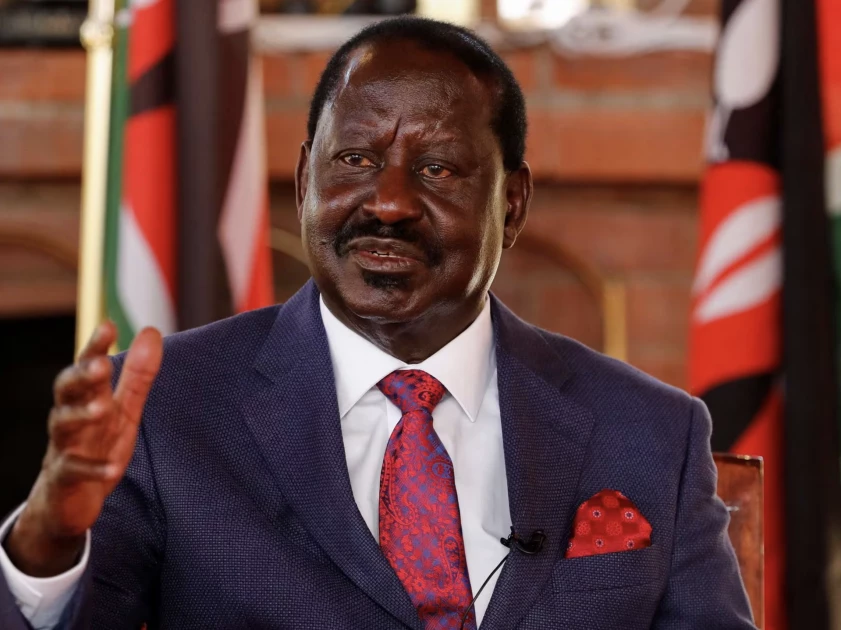
IMAGE BY THE GUARDIAN