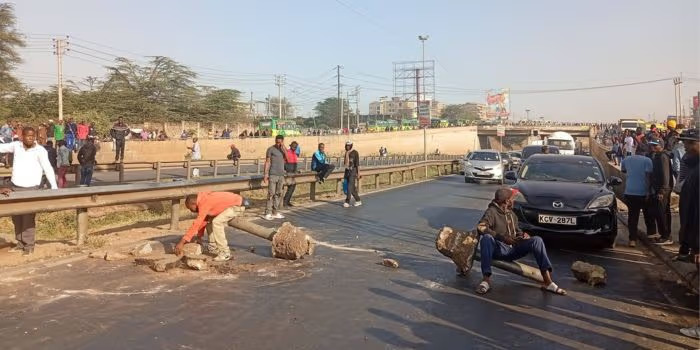
Kenya’s transport system was thrown into disarray as a nationwide matatu strike paralysed public transport, leaving commuters stranded, roads congested and ordinary life disrupted in urban and peri‑urban centres. The action, called by matatu operators and drivers, saw thousands of privately owned minibuses — the backbone of Kenya’s public transport — remain off the road, triggering frustration and hardship for millions of passengers.
The strike began early in the morning, with matatu stages across Nairobi, Mombasa, Nakuru, Kisumu and other major towns noticeably empty. Workers who depend on the informal transport system for daily commuting found themselves with few alternatives, forcing some to walk long distances, hire expensive private rides or rely on limited boda boda services.
Commuters described chaotic scenes at bus terminals and along major roads, where the absence of matatus upended normal travel. “I left home very early but I’m still not sure I’ll get to work on time,” said a Nairobi resident. “There’s no public transport and the few boda bodas available are charging double fares. It’s very stressful.”
Traffic flows on key arteries slowed dramatically, not only because of the absence of matatus but also due to an increase in private car usage as people sought alternative means of travel. Roads that are normally busy with both public and private transport felt gridlocked in places, compounding the disruption.
The strike was triggered by mounting grievances among matatu operators and drivers over rising operational costs, including the price of fuel, maintenance expenses, and what they describe as unfavourable regulatory conditions. In announcing the stoppage, leadership in the matatu industry demanded dialogue with government officials to seek relief measures that would ease cost pressures and stabilise their operations.
“We are not on the streets because we want to inconvenience anyone,” said one matatu operator during a media briefing. “But the cost of doing business has shot up to a level that threatens our survival. We need the government to hear us and work with us on solutions.”
The Ministry of Transport responded by urging calm and calling for urgent negotiations between the government and matatu representatives. Officials acknowledged the pain caused to commuters but maintained that dialogue would be the best path forward, adding that sections of the industry were partly to blame for failing to seek consensus before initiating the strike.
“Transport is a vital service,” said a Ministry spokesperson. “We hear the concerns of matatu operators, but we also have a duty to protect commuters and the economy. We are calling all stakeholders to the table so that we can reach a resolution quickly.”
Security and traffic police were deployed in large numbers to major intersections to manage traffic and enforce order. While no serious disturbances were reported, some officers had to direct vehicles manually at clogged junctions, and reports emerged of heightened tensions as frustrated commuters confronted drivers or station managers over the lack of services.
Motorists voiced mixed reactions: while some sympathised with matatu operators’ economic woes, others criticised the strike’s timing and impact on daily life. “We all feel the pinch of rising costs,” said one driver stuck in traffic. “But holding the whole city hostage is unfair to those of us who have no alternative but to be at work, school, or hospital appointments.”
Ride‑hailing services reported increased demand, with surge pricing in some areas as passengers sought alternatives. Boda bodas (motorcycle taxis) also saw a spike in patrons, though riders warned that they were overwhelmed and unable to meet demand, leading to safety concerns as some riders ferried multiple passengers or violated traffic rules to cope.
Business owners and employers expressed anxiety that prolonged transport disruptions could affect productivity, attendance and revenues. Schools reported late arrivals, and some offices said they were considering flexible work arrangements to accommodate staff affected by the strike.
Economists say the episode highlights the critical role of matatus in Kenya’s transport ecosystem and the vulnerability of the economy when informal yet essential services halt abruptly. They emphasised the need for sustainable solutions that balance the viability of public transport operators with commuter needs and broader economic stability.
As the standoff continued into the day, many Kenyans took to social media to express frustration, share travel tips, or call for swift resolution. The strike underscored daily commuters’ reliance on matatus and the far‑reaching effects of transport disruptions on ordinary life.
Resolution efforts are underway, with government officials expected to hold talks with matatu industry leaders. Commuters and stakeholders alike are hopeful that agreement will be reached soon to restore normal transport services and ease the strain on the nation’s roads.
Image by Streamline Feed