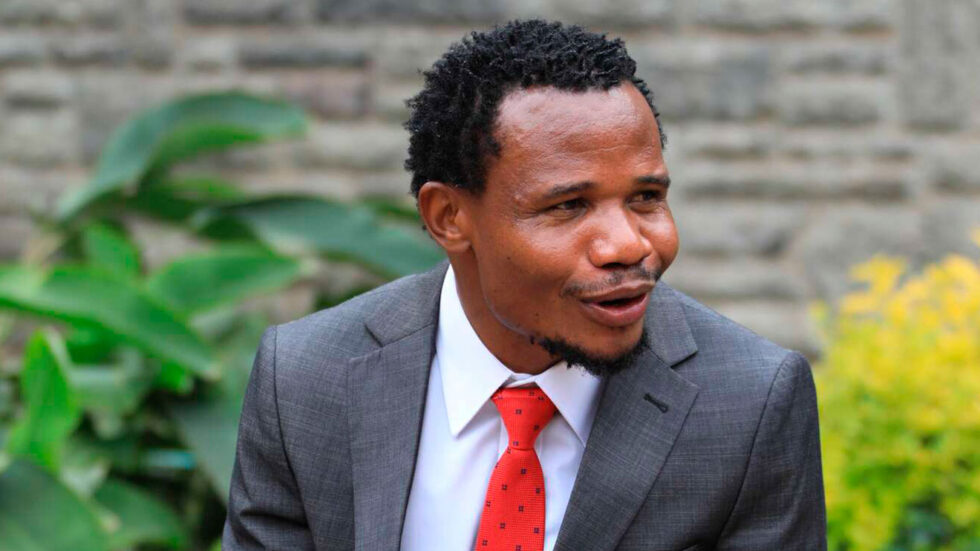
A court has dismissed a hate speech case against Member of Parliament (MP) Salasya after he issued a public apology for remarks that had sparked controversy and accusations of promoting divisive speech. The decision brings an end to a legal process that attracted attention from both supporters and critics, highlighting ongoing debates about the boundaries of political expression and accountability in public office.
MP Salasya had been facing charges under Kenya’s anti-hate speech laws, which are designed to deter public statements that can incite discrimination, hostility or violence against individuals or groups based on ethnicity, religion, or other protected characteristics. The case was brought after complaints were filed alleging that his comments crossed the line from robust political debate into harmful rhetoric.
During the hearing, Salasya acknowledged the concerns raised by his statements and took the unusual step of issuing a formal apology in open court. In his apology, he expressed regret for any offence caused and emphasised that his intentions were not to foster hatred or division among communities. He indicated that his words were poorly phrased and pledged to be more responsible in future public engagements.
The prosecution noted the apology and Salasya’s willingness to take responsibility, and subsequently informed the court that it would not pursue the hate speech charges. The matter was formally withdrawn, and the magistrate overseeing the case accepted the withdrawal, bringing the legal proceedings to a close.
In delivering the outcome, the court stressed that freedom of expression is a constitutional right, but reiterated that it must be exercised within the law and with respect for the rights of others. The magistrate observed that public officials, in particular, have a heightened responsibility to set an example in the way they articulate views, given their influence and visibility.
Legal experts say that the case underscores the role of the hate speech legislation in balancing free speech with social harmony. They note that the withdrawal following a public apology does not set aside the importance of accountability, but rather reflects the justice system’s flexibility when a respondent acknowledges error and remedies the harm caused.
Civil society groups that monitor hate speech and political conduct responded to the withdrawal with measured views. Some welcomed the apology and the court’s handling of the case, saying that public acknowledgement of the impact of one’s words can be a meaningful step toward healing and mutual respect. Others called for continued vigilance, urging political leaders to avoid language that can inflame tensions, especially in a diverse society.
MP Salasya’s supporters, meanwhile, characterised the outcome as a fair resolution, noting that politicians are often subject to intense scrutiny and sharp criticism. They argued that the apology allowed Salasya to correct the record without prolonged legal entanglement.
Opposition voices, however, said the incident highlights continuing challenges in political discourse, and encouraged all leaders to embrace responsible communication that unifies rather than polarises. Some analysts pointed out that while this case concluded without a conviction, it serves as a reminder that public figures must be mindful of the potential consequences of their statements.
Observers also underscored the educational value of the process, suggesting that cases of this nature can raise public awareness about the legal limits of speech and the importance of respectful engagement in democratic debate.
For his part, Salasya has reiterated his commitment to serving his constituents and to promoting peaceful coexistence among all communities. In statements following the court session, he said he will work to ensure that his future contributions to public discourse reflect sensitivity and an appreciation for Kenya’s diverse social fabric.
The withdrawal of the case closes this chapter in Salasya’s legal and political journey, but the broader conversation about hate speech, leadership responsibility and the standards expected of elected officials remains very much alive in Kenya’s public arena.
Image by Nation Africa