By Edward Lyomu
Residents of Kihoto estate in Naivasha, Nakuru County, have been urged to begin relocating from flood-prone areas as water levels in Lake Naivasha continue to rise ahead of the expected October–December 2026 El Niño rains.
The warning comes at a critical time for the lakeside community, where rising waters have already flooded homes and public facilities, displaced families and contaminated shallow wells.
The Department of Public Health has identified Kihoto as an area at high risk of further flooding and urged residents living in vulnerable sections of the estate to consider moving to safer areas before the onset of the October rains.
Naivasha Sub-County Public Health Officer Margaret Mungai said the sub-county disaster management committee had been activated ahead of the expected rains.
The move is aimed at preparing for a possible escalation of the flooding situation should heavy rains increase water inflows into Lake Naivasha.
Lake waters continue to threaten Kihoto
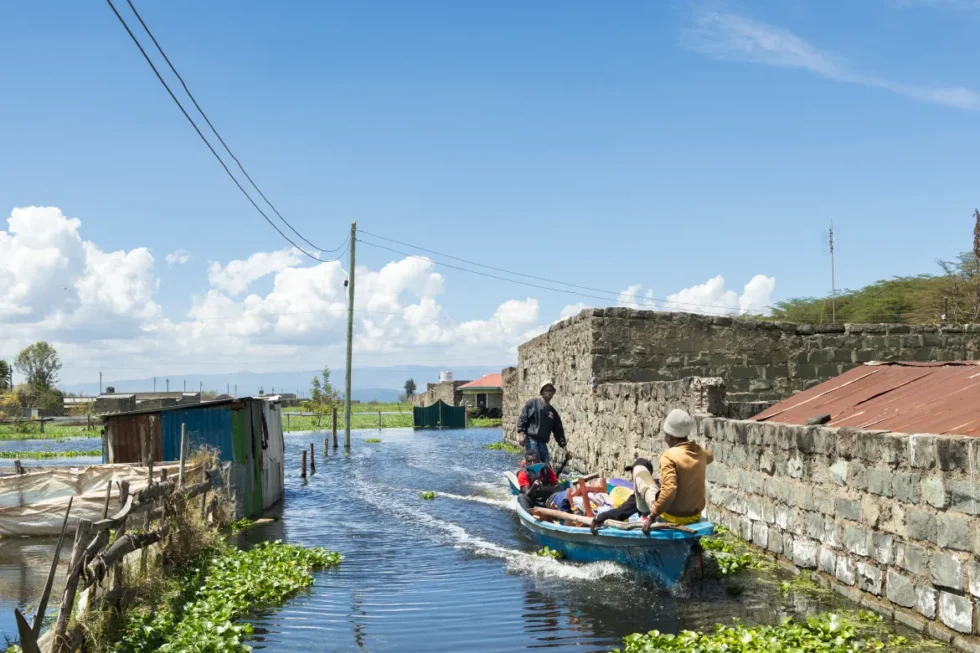
Kihoto has been among the areas hardest hit by the prolonged rise in Lake Naivasha’s water levels.
Reports indicate that the expanding lake has already flooded homes, schools, churches, roads and other infrastructure in the area.
More than 5,000 families have reportedly been affected or displaced by the rising waters, while some public facilities have also been forced to close or relocate.
The flooding has also created serious sanitation concerns.
In July, the Department of Public Health warned that water from shallow wells in Kihoto was unfit for human consumption after floodwaters contaminated wells and flooded pit latrines.
Health officials have warned that continued contact between floodwater, sewage and drinking-water sources could increase the risk of waterborne diseases.
For families that have remained in the affected sections, the situation has become increasingly difficult as they face the possibility of losing their homes and livelihoods.
El Niño could worsen the situation
The latest warning comes as Kenya prepares for potentially heavy rainfall during the October-November-December (OND) 2026 season.
The Kenya Meteorological Department has projected above-normal rainfall across large parts of the country and warned that a strong El Niño event could influence weather conditions from October and potentially into early 2027. Recent forecasts have put the probability of a very strong El Niño at about 81 per cent, with a 97 per cent chance of persistence into early 2027.
The expected rains have heightened concern in communities already dealing with elevated lake levels.
However, meteorological experts have cautioned that the strength of El Niño alone does not determine the amount of rainfall Kenya will receive. Local rainfall patterns are influenced by several climate factors, meaning the impact will vary across the country.
The Kenya Red Cross has nevertheless warned that the anticipated El Niño rains could affect millions of people across the country, with 46 counties considered at risk.
For Kihoto residents, the concern is particularly serious because the community is already dealing with flooding before the expected peak of the rainy season.
Schools and businesses affected
The rising lake waters have also disrupted education and economic activity in Naivasha.
Earlier reports indicated that more than 6,000 learners had been affected after flooding disrupted homes and schools in areas around the lake.
The flooding has also affected businesses and livelihoods, with residents who depend on small-scale trade, tourism and other activities facing increasing uncertainty.
Kihoto is also home to many workers employed in Naivasha’s flower industry, meaning prolonged displacement could have wider economic consequences for families and employers.
Wildlife also displaced
The expanding lake has created another challenge for residents: the displacement of wildlife.
Rising waters have pushed animals, including hippos, buffaloes and giraffes, towards farms, homes and roads around Naivasha, creating additional safety concerns for communities living close to the lake.
The presence of wildlife in residential areas has increased the risk of human-wildlife encounters, particularly as residents continue to move from flooded areas.
Residents seek government intervention
The flooding crisis has also triggered calls for compensation and resettlement.
Residents and affected landowners have previously called on the national and county governments to implement measures aimed at protecting families whose homes and land have been affected by the rising lake.
A court case concerning residents and landowners from Kihoto has sought measures including evacuation of affected residents, identification of alternative land for relocation, compensation for victims and the creation of a permanent buffer zone.
Residents have argued that relocating families without a clear compensation and resettlement plan would leave many households vulnerable, particularly those who cannot afford to rent homes elsewhere.
Disaster preparedness urged
With the October rains approaching, authorities are now under pressure to accelerate preparations in Kihoto and other settlements around Lake Naivasha.
The activation of the sub-county disaster management committee is expected to help coordinate emergency response, evacuation and other preparedness measures.
Residents in areas already affected by flooding are being urged not to wait until the rains intensify before seeking safer ground.
The immediate concern is that additional rainfall could increase surface runoff and further raise water levels, potentially worsening flooding in areas already submerged.
A crisis that has lasted for years
The Lake Naivasha flooding is not a new problem.
Water levels have been rising over an extended period, repeatedly forcing families from their homes and affecting infrastructure around the lake.
In May, reports showed that rising waters had again displaced families in Kihoto, with residents calling for urgent government intervention.
The continued rise has also raised questions about the long-term management of settlements and development around the lake.
For Kihoto residents, the arrival of the 2026 short rains therefore presents a fresh challenge: they are entering another potentially wet season while still dealing with the consequences of previous flooding.
With meteorological authorities forecasting increased rainfall from October, health and disaster officials are urging vulnerable families to take the warnings seriously.
The coming weeks will be critical for Naivasha as authorities prepare for the possibility that heavy El Niño rains could compound an already serious flooding crisis around Lake Naivasha.