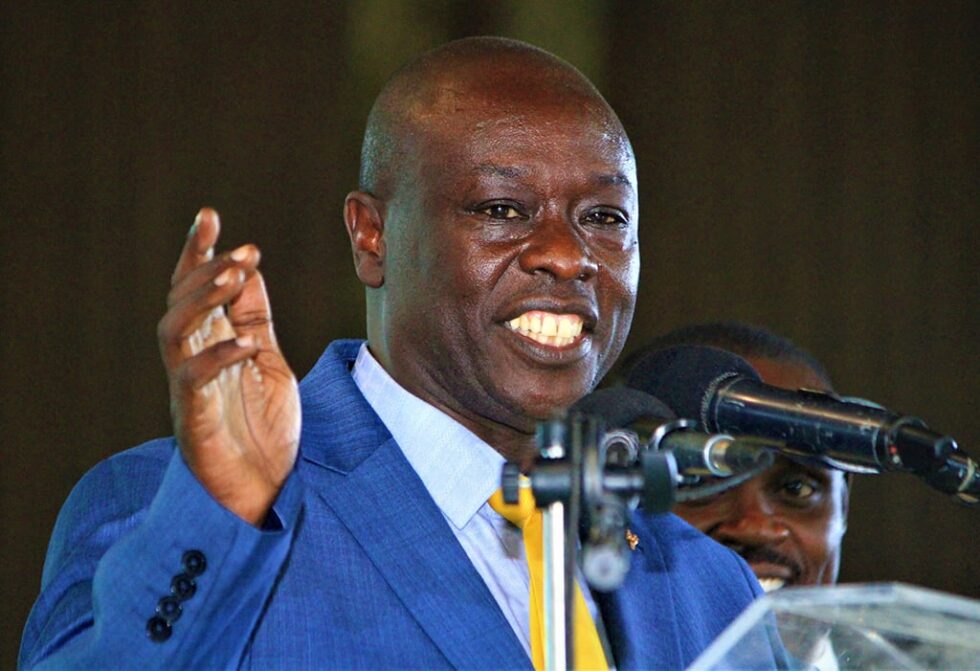
The Democracy for the Citizens Party (DCP) has pulled off a major political upset after winning three fiercely contested MCA seats in the latest by-elections, signalling a growing shift in Kenya’s political landscape. The victories , recorded in Narok Town, Kariobangi North in Nairobi, and Kisa East in Western Kenya , mark one of the strongest showings yet for the emerging party associated with Deputy President Rigathi Gachagua.
In Narok Town Ward, DCP’s Douglas Masikonde emerged victorious with 6,007 votes, defeating his closest rival who garnered 4,479 votes. The contest had drawn significant national attention following the death of the previous MCA, turning the ward into a political battleground. Masikonde’s victory is being hailed as a symbolic break from established political dominance in the region, with many observers noting that the win reflects voter appetite for fresh leadership and better representation.
In Nairobi, the party extended its momentum to the capital when David Wanyoike Warui clinched the Kariobangi North Ward seat. Warui collected 2,282 votes, beating an independent candidate who finished second. His victory is widely seen as evidence of DCP’s rising appeal in urban centres, especially among youth and working-class residents who feel underserved by traditional parties. Warui, in his acceptance speech, called for unity and collaboration, expressing readiness to work with all community members regardless of their political leaning. He highlighted the need for better service delivery, youth empowerment, and enhanced security within the ward.
In Western Kenya, DCP’s influence continued to spread after Aduda Okwiri secured the Kisa East Ward seat with 1,952 votes. This win strengthens the party’s visibility in the region, marking a strategic entry into a political zone previously dominated by more established outfits. Locals described the victory as a hopeful sign of improved ward management, with many expecting Okwiri to prioritise stalled development projects and community outreach.
The three victories have boosted DCP’s stature nationally, positioning the party as a rising force ahead of the 2027 General Election. Analysts note that the wins reflect an increasing desire among voters to explore alternative political vehicles, particularly those that promise grassroots engagement, government accountability, and more effective local representation. DCP’s messaging — anchored on transparency, empowerment, and regional inclusivity — appears to have resonated strongly across diverse communities.
For Rigathi Gachagua, the wins provide both political validation and momentum. The Deputy President had actively campaigned for the party’s candidates, framing the by-elections as an opportunity for Kenyans to embrace new leadership. The results now offer DCP tangible proof that it can compete across regions — from the capital to western counties and pastoralist territories like Narok.
However, political observers caution that the real test begins now. With only months to the next general election cycle, DCP must demonstrate that its elected leaders can deliver on their campaign pledges. The party will need to strengthen its internal structures, enhance its national presence, and maintain public trust by showing measurable progress on the ground. Failure to deliver tangible results, analysts warn, could weaken the gains just made.
Still, for now, the message from the electorate is clear: Kenya’s political space is shifting. Voters are increasingly open to giving newer parties a chance — especially those that present themselves as responsive, people-centred, and committed to addressing long-standing local challenges.
For DCP, the triple victory marks a defining moment, one that could reshape its trajectory and solidify its place in Kenya’s evolving political arena.
Image by Nairobi Leo