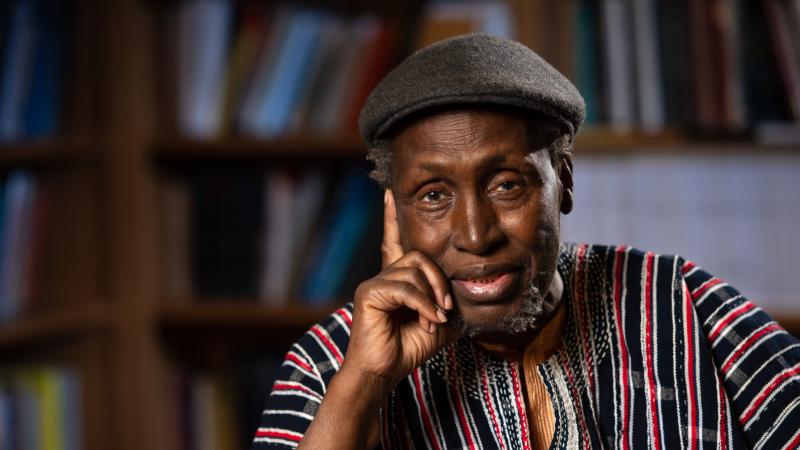
Ngũgĩ wa Thiong’o, the renowned Kenyan writer, academic, and political activist, passed away on May 29, 2025, at the age of 87 in Bedford, Georgia. His death marks the end of a profound literary and ideological journey that spanned decades, continents, and political regimes. Ngũgĩ’s life was a testament to the enduring power of language, resistance, and the unyielding pursuit of justice.
Early Life and Literary Beginnings
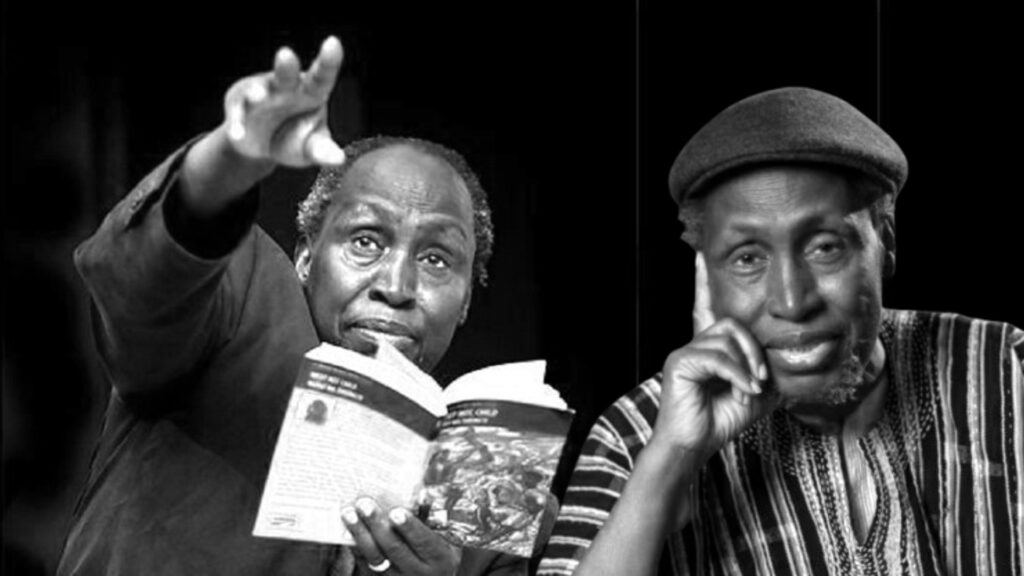
Born James Ngugi in 1938 in Limuru, Kenya, during the British colonial period, Ngũgĩ’s early experiences were shaped by the socio-political upheavals of the time. He pursued his education at Makerere University in Uganda and later at the University of Leeds in the UK. His debut novel, Weep Not, Child (1964), was the first English-language novel published by an East African, exploring the complexities of colonialism and the Mau Mau uprising. This was followed by The River Between (1965) and A Grain of Wheat (1967), which further delved into Kenya’s struggle for independence and the moral dilemmas faced by its people.
Embracing Indigenous Languages and Cultural Identity
In the 1970s, Ngũgĩ underwent a significant ideological transformation, choosing to abandon English in favor of his native Gikuyu language for his creative works. He believed that language was a carrier of culture and that writing in indigenous languages was essential for authentic African storytelling. This shift was not merely linguistic but deeply political, challenging the remnants of colonial influence in African literature. His play Ngaahika Ndeenda (I Will Marry When I Want), co-authored with Ngũgĩ wa Mirii, was performed in Gikuyu and criticized the inequalities perpetuated by both colonial and post-colonial systems.
Imprisonment and Literary Resistance
The Kenyan government’s reaction to Ngaahika Ndeenda was swift and severe. In 1977, Ngũgĩ was arrested and detained without trial at Kamiti Maximum Security Prison. During his incarceration, he penned Devil on the Cross on prison-issued toilet paper, marking the first modern novel written in Gikuyu. This act of literary defiance underscored his commitment to cultural decolonization and the empowerment of marginalized voices.
Exile and Continued Advocacy of Ngũgĩ wa Thiong’o
Following his release, Ngũgĩ faced continued harassment, leading to his self-imposed exile in 1982. He held academic positions at institutions such as Yale University and the University of California, Irvine, where he continued to write and advocate for African languages and literature. His seminal essay collection, Decolonising the Mind (1986), argued for the necessity of writing in indigenous languages to truly reflect African experiences and resist cultural imperialism. AP News, Encyclopedia Britannica
Return to Kenya and Later Life
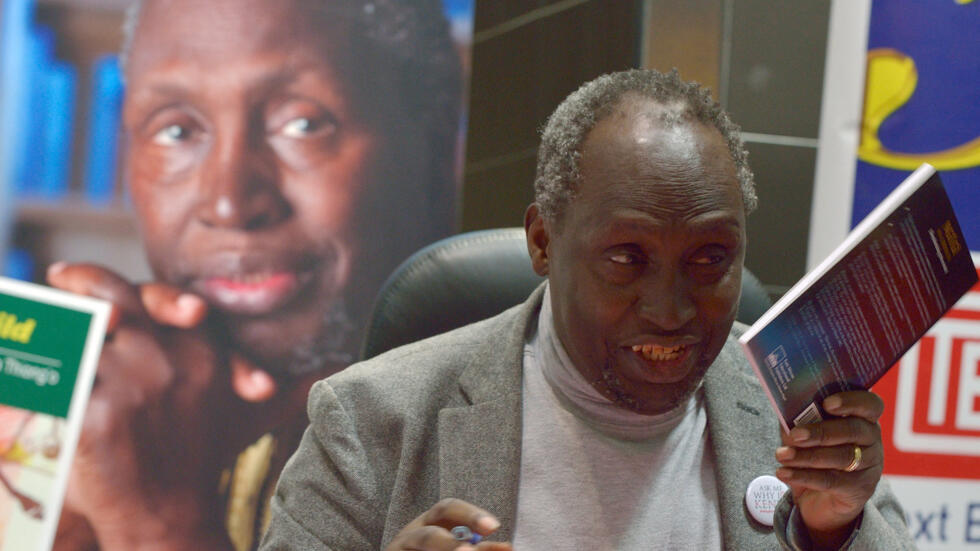
Ngũgĩ returned to Kenya in 2004 after a 22-year exile. However, his homecoming was marred by a violent attack, which he and his wife believed to be politically motivated. Despite this, he remained undeterred, continuing to write and speak on issues of language, identity, and justice. His later works, including Wizard of the Crow (2006) and The Perfect Nine (2020), blended folklore, satire, and political commentary, further cementing his legacy as a literary giant.
Legacy and Impact
Ngũgĩ’s unwavering dedication to linguistic and cultural authenticity inspired generations of writers and thinkers. His belief in the transformative power of language challenged the dominance of colonial languages in African literature and emphasized the importance of cultural self-expression. Though he never received the Nobel Prize in Literature, his influence and contributions earned him what he termed the “Nobel of the heart”—the profound impact on readers worldwide.
As tributes pour in from across the globe, Ngũgĩ wa Thiong’o’s life and work continue to resonate, reminding us of the enduring power of words to challenge, inspire, and effect change.
Ngũgĩ’s story is a mirror for post-colonial Africa—a continent still wrestling with the legacy of colonial rule and the quest for cultural reclamation. His commitment to indigenous expression and grassroots empowerment has not only preserved African heritage but also ignited a global conversation about decolonization and justice through art.
His voice may have fallen silent, but his words live on—etched in literature, in the hearts of readers, and in the consciousness of a continent still finding its voice. In Ngũgĩ wa Thiong’o, Africa found not just a writer, but a warrior of words whose legacy will echo for generations.