July 10, 2025
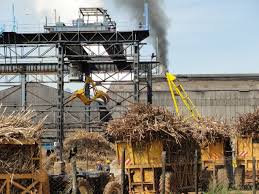
The government has announced an unprecedented suspension of all sugar milling activities in Western Kenya for a period of three months, starting July 11, 2025, as part of emergency measures to address a worsening cane shortage and inefficiencies in the sector.
The directive, issued by the Kenya Sugar Board (KSB), affects both the Upper and Lower Western sugar belts, encompassing major factories such as Nzoia, Butali, West Kenya (Naitiri and Olepito), Mumias, and Busia Sugar Mills. The suspension also covers cane-growing areas across Kakamega, Bungoma, Busia, Trans Nzoia, Uasin Gishu, Nandi North, and parts of Siaya County.
Speaking during a press briefing on Wednesday, KSB Acting CEO Jude Chesire said the move is aimed at giving sugarcane time to mature while allowing millers to reset their cane development and supply strategies.
“We have observed that most factories are crushing immature cane due to scarcity, which results in poor sugar recovery, financial losses, and widespread dissatisfaction among farmers,” said Chesire.
The board stated that the suspension will remain in effect for at least three months, with operations set to resume only after a comprehensive Cane Availability Survey is conducted to assess maturity levels and match them with factory demand.
Sugar Industry at Breaking Point
Kenya’s sugar sector has been under increasing pressure in recent years due to a combination of poor cane husbandry, weak enforcement of zoning rules, inadequate replanting programs, and factory inefficiencies. The situation has been worsened by frequent mill breakdowns, poaching of cane across zones, and declining farmer morale due to delayed payments.
According to KSB, some millers are harvesting cane as early as 12 months, far short of the ideal 18–22 month maturity period. The result is low sucrose content and a poor return for both farmers and processors.
The board’s data shows that factory capacities in the region far outstrip available cane, with most operating at under 40% capacity. “This mismatch is unsustainable,” Chesire emphasized.
Sugar Development Levy Reinstated
Coinciding with the milling suspension is the reintroduction of the Sugar Development Levy (SDL) at a rate of 4%, which took effect on July 1, 2025. The levy will be charged on both locally manufactured and imported sugar, with revenue expected to exceed KSh 5 billion annually.
The funds will be channeled as follows:
- 40% for cane development
- 15% for infrastructure and transport
- 15% for research
- 15% for factory rehabilitation
- 5% to strengthen farmer institutions
- 10% for administrative costs
The levy will be collected by the Kenya Revenue Authority (KRA) and disbursed under a new performance-based mechanism to avoid historical misuse of funds.
Regional and National Impact
The temporary halt is expected to disrupt livelihoods in the short term, especially for casual workers employed in the sugar factories and smallholder farmers who rely on prompt payments. However, authorities insist the long-term benefits—such as better cane prices, increased sugar yields, and factory viability—will outweigh the initial pain.
Chesire added that Sony Sugar, Transmara, Sukari Industries, and Kwale Sugar—which are located outside the affected Western region—will continue operations to help cushion the country’s sugar supply. Additional imports will be facilitated if necessary to fill the production gap.
Political and Farmer Reactions
The decision has drawn mixed reactions from stakeholders. Some farmer groups welcomed the move, saying it could finally push millers to invest in cane development and stop “squeezing profits out of farmers with immature cane.”
However, leaders from sugar-growing counties have expressed concern over job losses and lack of consultations. “This is a drastic move. While we support reforms, they must be inclusive and backed by clear support mechanisms for farmers,” said Bungoma Senator Wafula Wamunyinyi.
A taskforce involving county governments, KSB, and the Ministry of Agriculture is expected to meet later this month to review implementation progress and farmer concerns.
The Road Ahead
The government maintains that the sugar sub-sector is too critical to be left to market chaos. With the suspension and levy now in effect, policymakers hope to fast-track broader reforms aimed at reviving the ailing industry, with an ambitious goal to eliminate sugar imports by 2027.
As the cane matures and factories stand still, all eyes are on whether this tough medicine will finally heal the wounds of Kenya’s sugar sector.