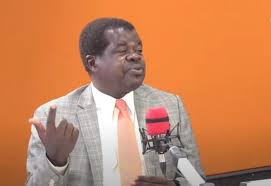
Senator Okiya Omtatah has taken legal action to stop the government from releasing Sh2.824 trillion for a series of railway infrastructure projects, arguing that the plans are irregular and could undermine public interest and fiscal responsibility. The petition, filed at the High Court, seeks to block implementation of the proposed developments until key legal and procedural concerns are addressed.
Omtatah — who represents Busia County — is joined in the petition by activists Bernard Muchiri Muchere and Naomi Nyakerario Misati. They are specifically challenging funding for major rail works, including the Riruta–Ngong Commuter Metre Gauge Railway project, valued at Sh11.5 billion, and other large-scale initiatives across the country.
At the heart of Omtatah’s case is a claim that the government has not been transparent or accountable in moving forward with these transport infrastructure plans. He argues that unlawful release and expenditure of vast sums — without proper public participation, detailed feasibility studies, and adherence to constitutional and procurement laws — could compromise the public purse and violate established legal safeguards.
According to the petitioners, key procedures required before committing public funds to such large projects have not been followed. They contend that the National Treasury should not release resources for the rail developments until the projects have been properly scrutinised, including competitive procurement and rigorous review of economic viability. The lawmakers and activists also want the court to restrain government officials and agencies from issuing contracts or engaging in tender awards related to the contested works.
Omtatah and his co-petitioners maintain that Kenya’s legal framework on public finance, procurement, and transparency is clear that major infrastructure projects must be subject to competitive bidding, accountability measures and public participation. Skipping or short-circuiting these steps, they say, not only threatens constitutional values but also exposes the country to corruption, wasteful spending and undue financial risk.
The petition follows a long history of legal challenges by Omtatah against state infrastructure projects and government agreements he believes undermine public interest. In previous cases, he has challenged amendments that limit watchdog mandates, and has also sought judicial review of international agreements he says were concluded without proper legislative scrutiny.
Critics of the railway projects — including some legal experts and civil society advocates — have raised similar concerns in the past. They argue that transparent procurement, independent feasibility studies and strict oversight are essential, especially given the scale of the financial commitments involved and Kenya’s broader economic challenges.
Supporters of the government, on the other hand, stress that investments in railway infrastructure are key to boosting connectivity, trade, and economic growth. They argue that enhanced rail networks can ease transport costs, decongest roads and create jobs, benefits they say justify bold funding decisions.
However, Omtatah’s legal team insists that effective infrastructure development cannot proceed at the expense of legal compliance and public accountability. They believe the court should intervene to ensure that all steps are followed before any release of funds, particularly for multi-trillion-shilling projects with long-term fiscal implications.
The High Court’s decision on the petition will be closely watched by political observers, economists and development stakeholders. It could shape not only the fate of these railway projects but also set legal precedent for how future large-scale public works are funded and implemented in Kenya.
Image by Citizen Digital