


Israel has claimed it killed Iran’s powerful national security chief Ali Larijani in a fresh escalation of the ongoing conflict, marking what could be a major blow to the Islamic Republic’s leadership.
Israeli Defence Minister Israel Katz said Larijani was “eliminated” in a strike, although Iranian authorities have not confirmed the claim. Earlier, Israel’s military also reported the killing of Gholamreza Soleimani, head of the Basij paramilitary force under Iran’s Revolutionary Guards, in a separate strike on Tehran.
The reported killings come less than three weeks after joint US-Israeli strikes that allegedly killed Iran’s Supreme Leader Ali Khamenei, an event that dramatically escalated tensions into a full-scale regional conflict. He was reportedly succeeded by his son, Mojtaba Khamenei, though uncertainty remains over his condition and whereabouts, with US President Donald Trump stating that it is unclear whether he is alive.
The war has already claimed hundreds of lives and displaced millions, particularly in Lebanon and Iran, while raising fears of a broader regional crisis. Explosions were reported across Tehran following heavy bombardment, as Israeli forces said they were targeting what they described as “terror infrastructure.”
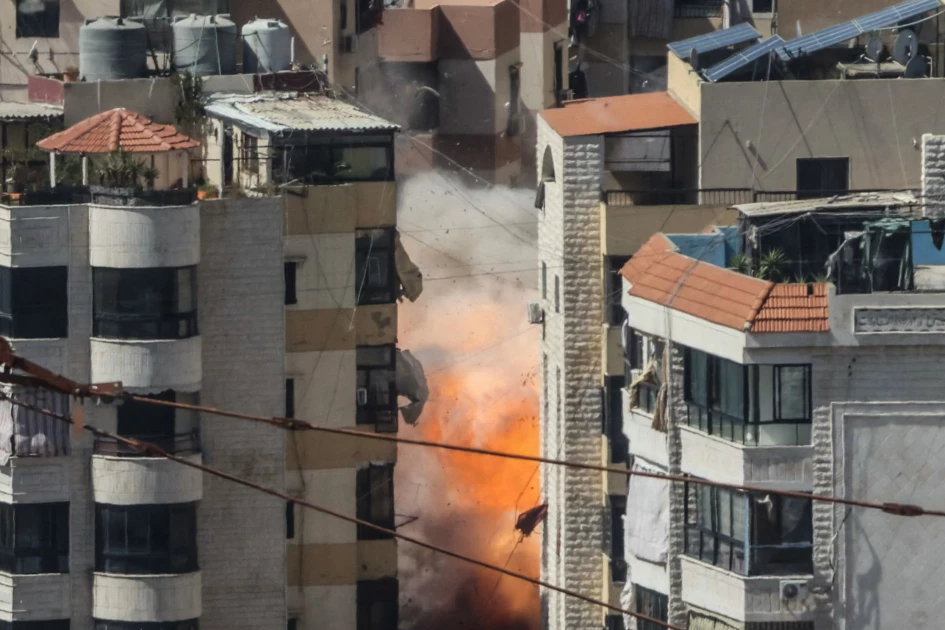
Strikes also extended to Beirut, where Israeli attacks reportedly hit residential areas in the southern suburbs, a stronghold of the Iran-backed group Hezbollah. Emergency responders were seen battling fires and clearing debris as the humanitarian situation worsened.
In retaliation, Iran has targeted US interests and regional infrastructure, including attacks on energy facilities and commercial shipping routes. The situation has been further complicated by threats to the Strait of Hormuz, a critical global oil transit route through which about a fifth of the world’s crude passes. Disruptions in the strait have pushed global oil prices up by more than five percent.
President Trump has called on allies to form a naval coalition to secure the waterway, warning that failure to act could strain alliances such as NATO. However, key partners including the United Kingdom and Germany have expressed reluctance to join military operations, with leaders like Keir Starmer instead advocating for diplomatic and alternative solutions.
Analysts say the hesitation reflects growing tensions between the US and its allies, many of whom were not consulted before the escalation. Meanwhile, the conflict continues to spread, drawing in countries like Iraq, where a drone and rocket attack targeted the US embassy in Baghdad.
The Gulf region has also borne the brunt of retaliatory strikes, with Iran targeting multiple countries including Saudi Arabia, Qatar, and the United Arab Emirates. In one incident, falling debris from intercepted missiles reportedly caused a fatality in Abu Dhabi.
With more than 1,200 people reported killed in Iran alone and displacement rising across the region, international calls for restraint are growing louder. Western nations including France, Germany, Italy, Canada, and the UK have urged Israel to scale back its operations, particularly in Lebanon.
Despite this, Israeli President Isaac Herzog has defended ongoing military actions, calling for continued efforts against Hezbollah.
As tensions continue to mount, the conflict shows little sign of slowing, raising fears of a prolonged and devastating war with far-reaching global consequences.


