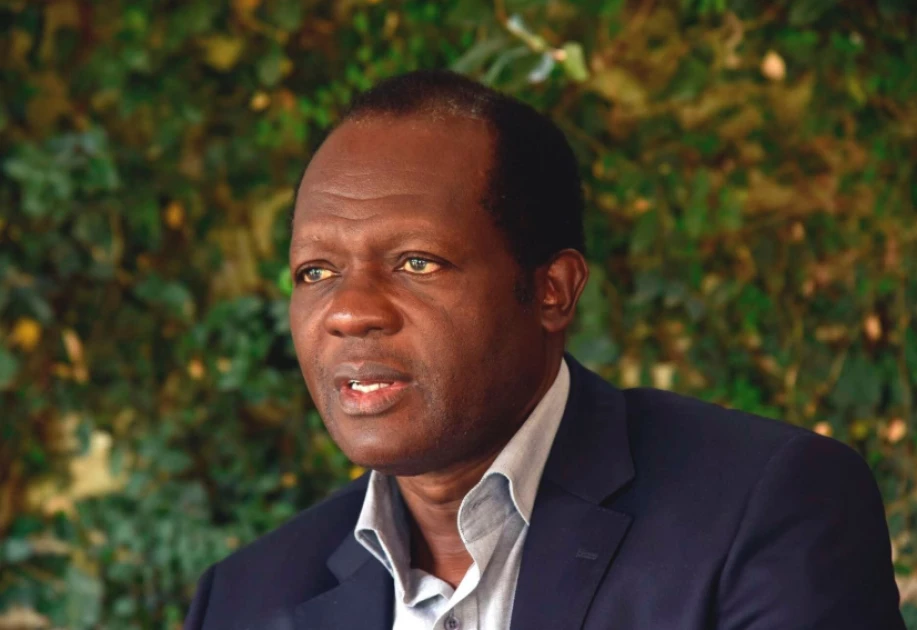
Kenya’s Judiciary has issued a detailed clarification regarding its March 9, 2026 ruling in the high-profile property dispute involving Raphael Tuju and Dari Limited, following widespread public debate and commentary.
In a statement released on Wednesday, March 18, 2026, the Judiciary explained that the case arises from attempts by lenders and associated parties to enforce securities tied to two properties owned by the plaintiffs, stemming from a long-standing debt obligation.
According to the statement, the plaintiffs had moved to the High Court seeking injunctive relief to stop the auction and transfer of the properties pending the hearing and determination of the suit. The court initially granted interim orders to preserve the properties. However, the defendants subsequently challenged both the jurisdiction of the High Court and the validity of the proceedings.
The Judiciary noted that the dispute has a lengthy litigation history, including a final judgment delivered in 2019 by the High Court of Justice in England and Wales, which ordered the repayment of more than USD 15 million under a financing agreement.
This judgment was later recognised and enforced by the High Court of Kenya in 2020, a decision that was upheld by the Court of Appeal of Kenya in 2023. The Judiciary further noted that the Supreme Court of Kenya declined to grant interim relief to stop enforcement of the ruling.
Additionally, the court pointed out that previous attempts by the plaintiffs to secure similar injunctions had already been dismissed by the High Court in 2024.
Based on this background, the court ruled that the latest application by the plaintiffs was barred under the legal doctrine of res judicata, which prevents courts from re-hearing matters that have already been conclusively determined by competent courts.
“The Court found that reintroducing substantially similar claims, even if framed in constitutional terms, amounted to an attempt to re-open concluded matters and constituted an abuse of the court process,” the Judiciary said in its statement.
As a result, the court struck out the amended plaint and dismissed the application for an injunction. It also lifted the interim orders that had previously blocked the realisation of the properties.
The Judiciary confirmed that the plaintiffs have since filed an appeal at the Court of Appeal.
Judiciary spokesperson Paul Ndemo urged all parties and members of the public to exercise restraint, emphasizing the importance of allowing the appellate process to proceed without undue influence.
He cautioned against parallel public discourse that could potentially prejudice the outcome of the case, reiterating the Judiciary’s commitment to upholding the rule of law and due process.