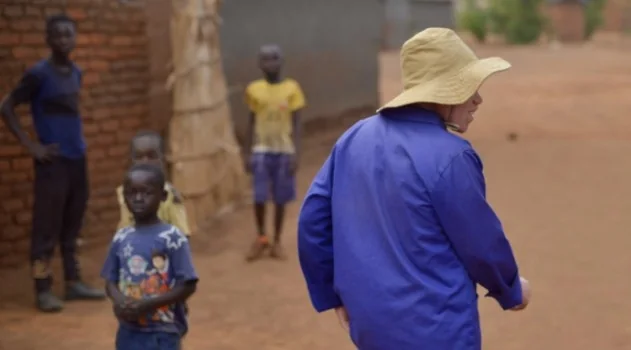
A new joint report by Human Rights Watch and the African Albinism Network has revealed that people with albinism in Malawi continue to face widespread discrimination in employment, education, and access to public services, despite existing legal protections.
The findings are based on research conducted between October 2025 and April 2026 across nine districts in Malawi, where researchers interviewed 96 people, including 80 individuals with albinism. The study also reviewed national laws, policy documents, and reports from institutions such as the United Nations and the World Bank.
Released ahead of International Albinism Awareness Day on June 13, the report highlights persistent stigma and exclusion affecting daily life, education, and employment opportunities for people with albinism.
Many respondents said discrimination often begins in school, where they face bullying and inadequate learning support. These challenges, according to the report, continue into adulthood, particularly when seeking employment. Some interviewees said they were rejected after in-person interviews due to their appearance, while others were judged as incapable of performing certain roles based on stigma rather than ability.
Even those who secure employment often lack essential workplace accommodations such as sunscreen, protective clothing, and accessible learning or working materials, leaving them vulnerable to health risks, including skin cancer due to prolonged sun exposure.
The report also notes that people with albinism in rural areas are especially disadvantaged, often relying on outdoor labour due to limited job opportunities, despite the associated health risks.
Access to government support programmes was also described as inconsistent, with some individuals excluded from assistance initiatives due to assumptions that they were already receiving external support.
Women and girls with albinism face additional risks, including harassment, violence, and economic dependency, which further limits their independence and safety.
Although Malawi has introduced stronger legal protections, including the 2024 Persons with Disabilities Act and a national disability policy in 2025, the report says enforcement remains weak due to limited awareness, inadequate funding, and poor implementation at local levels.
Human rights experts involved in the report stressed that meaningful progress depends not just on legislation but on practical enforcement and societal attitude change. As Bonface Massah of the African Albinism Network noted, people with albinism are calling for dignity, equal opportunity, and safety rather than charity or pity.