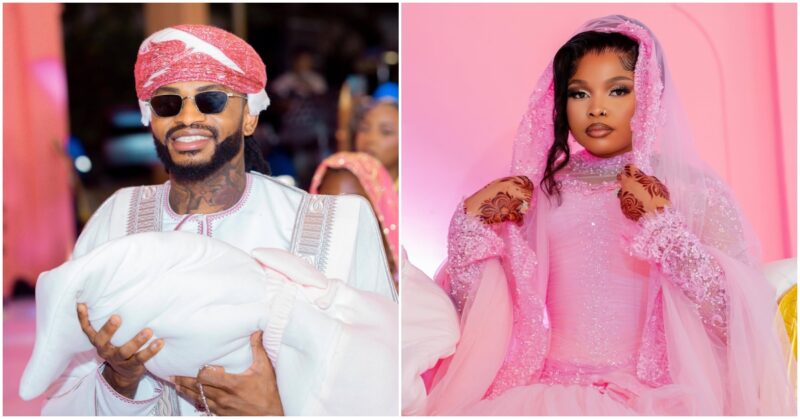
Diamond and Zuchu
Zuchu’s Baby Celebration Shines a Light on Islamic and East African Traditions
When Tanzanian music star Zuchu welcomed her baby girl, Sandrah Naseeb, with fellow musician Diamond Platnumz, the celebrations attracted widespread attention across East Africa.
Beyond the glamour surrounding the high-profile couple, the arrival of the baby offered a glimpse into traditions associated with welcoming a newborn and supporting a mother after childbirth in Muslim and East African communities.
The birth of a child is one of life’s most significant moments. For many Muslim families, it can be marked by a combination of religious practices, family gatherings and cultural traditions.
However, an important distinction should be made: not every postpartum practice observed by Muslim communities is an Islamic requirement. Some are based on Islamic teachings, while others have developed from local cultures, particularly along the Swahili Coast and in Zanzibar.
Here are some practices associated with childbirth among Muslim and East African communities.
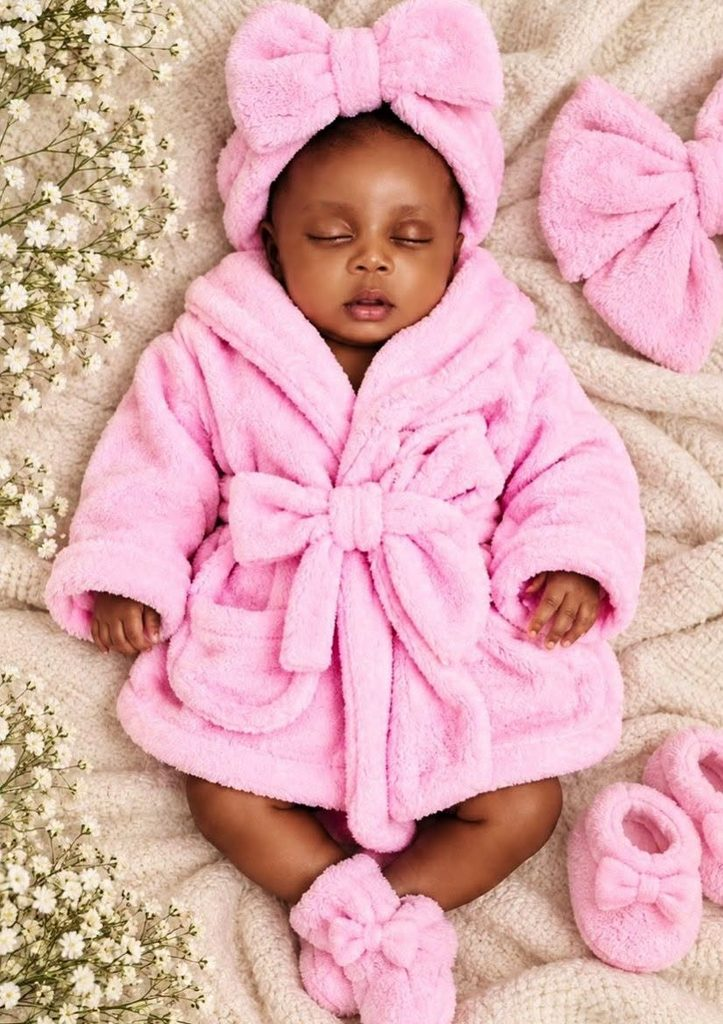
1. Adhan: Welcoming the Newborn
One practice recommended by some Islamic authorities is the recitation of the Adhan, the Islamic call to prayer, in the newborn’s right ear. Some scholars also mention the iqamah in the left ear.
The practice symbolically introduces the child to the Muslim faith from the beginning of life.
Egypt’s Dar Al-Ifta lists the Adhan among recommended practices associated with welcoming a newborn.
However, it should not be presented as a universally compulsory Islamic ritual or as a guaranteed form of spiritual protection.
2. Aqiqah: Celebrating New Life
For many Muslim families, the birth of a child is followed by Aqiqah, an established Sunnah involving the sacrifice of an animal as an expression of gratitude to God.
Aqiqah is traditionally associated with the seventh day after birth, although it may also be performed later.
Other practices associated with Aqiqah include shaving the baby’s head and distributing food or meat to family members, friends and those in need.
Aqiqah is generally understood as a recommended Sunnah rather than a compulsory celebration for every Muslim family.
At its heart is a message of gratitude for the gift of new life.
3. Nifas: The Mother’s Postpartum Period
Following childbirth, a Muslim woman may experience nifas, the period of postpartum bleeding.
During nifas, Islamic rulings exempt a woman from prayer and fasting while the bleeding continues.
However, the commonly repeated belief that every new mother must remain indoors or in strict isolation for exactly 40 days does not accurately describe Islamic law.
If the bleeding ends before 40 days, a woman can perform ghusl and resume prayer and fasting.
The 40-day period is therefore best understood in relation to the religious rulings surrounding nifas rather than as a compulsory period of confinement for every mother.
4. Henna, Music and Women’s Celebrations
This is where religious practice and local culture can intersect.
Across parts of Zanzibar and the wider Swahili Coast, postpartum celebrations may involve gatherings of women, henna, music, dancing, gifts and other traditional ceremonies.
These practices can carry deep cultural significance, but they should not automatically be described as Islamic rituals.
For communities that observe them, they are cultural expressions of happiness, solidarity and support for the mother and newborn.
Zuchu’s highly publicised celebrations have brought renewed attention to some of these East African traditions.
5. Community Support After Childbirth
Perhaps the strongest common thread in many postpartum traditions is community.
Whether through Aqiqah, family gatherings, prayers, gifts, shared meals or cultural celebrations, the arrival of a child is often treated as more than a private family occasion.
Relatives, friends and neighbours come together to celebrate the new life while offering practical and emotional support to the mother.
There is no single sequence of practices that defines Muslim motherhood around the world. Muslim communities across Africa, Asia and the Middle East have developed different customs, while Islamic teachings provide a broader framework for welcoming a newborn and caring for the mother.
For Zuchu and Diamond Platnumz, the birth of their daughter has therefore become more than a celebrity moment.
It has also offered East Africa and the wider world a glimpse into the way faith, family and Swahili culture can come together to celebrate one of life’s most precious beginnings.