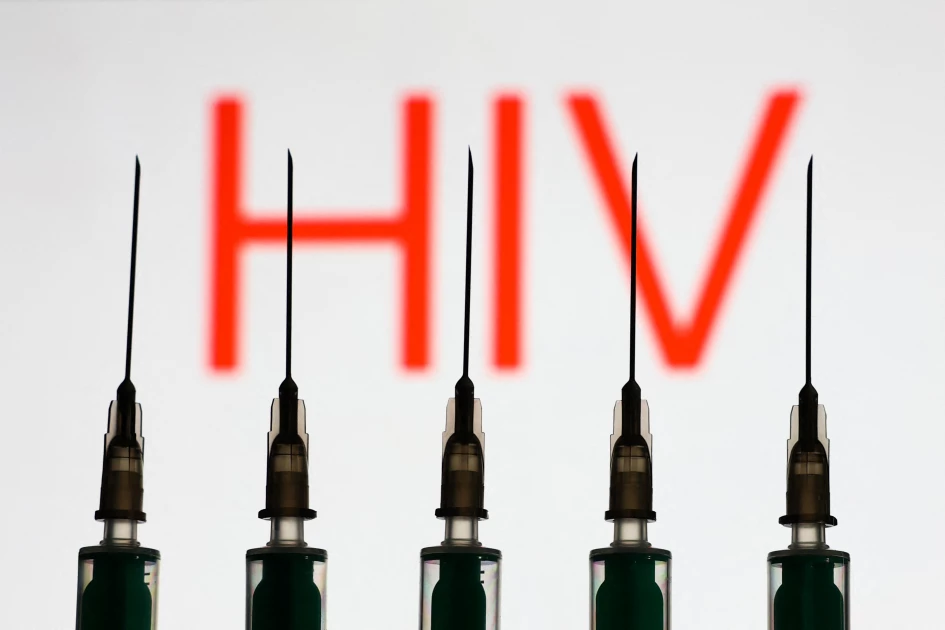
Kenya will on Thursday, February 26, 2026 begin the national rollout of Lenacapavir, a long-acting HIV prevention injection, in a major boost to the country’s efforts to eliminate new HIV infections by 2030.
Health officials and experts say the introduction of Lenacapavir marks a significant expansion of HIV prevention options, especially for people who face challenges taking daily oral medication.
The injectable drug, which is a form of long-acting pre-exposure prophylaxis (PrEP), will be offered alongside existing HIV prevention methods such as daily oral PrEP and the long-acting injectable Cabotegravir.
According to health experts involved in the rollout, not everyone who may be at risk of HIV infection will automatically qualify for the injection.
Only individuals who test HIV-negative and who have not had a possible exposure to the virus within the previous 72 hours will be eligible to receive the jab.
They also cautioned that potential clients must fully disclose all other medicines they are currently using before receiving the injection.
This includes tuberculosis treatment, sexual performance enhancement drugs and any other prescribed or non-prescribed medication, due to the risk of harmful drug interactions.
“Clients should be open with healthcare workers about any medication they are taking. Some drugs may interfere with how Lenacapavir works in the body, and this could compromise both safety and effectiveness,” one health expert said.
Lenacapavir is designed to provide long-term protection against HIV. Studies indicate that when administered correctly, the injection can be up to 96 per cent effective in preventing HIV infection.
Eligible clients will receive two injections, administered once every six months, offering a discreet and convenient alternative for individuals who struggle to adhere to daily pill-based prevention.
Health officials say the long-acting nature of the drug is expected to improve consistency in HIV prevention, especially among young people, mobile populations and others who may find it difficult to maintain regular daily medication.
Kenya continues to face a significant HIV burden despite steady progress in recent years.
Official figures show that the country recorded just over 19,000 new HIV infections in 2024 — an average of about 52 new infections every day.
The government and health partners hope that the introduction of long-acting prevention options such as Lenacapavir will play a critical role in accelerating the decline in new infections and help the country achieve its target of zero new infections by 2030.
Health authorities have outlined a three-phase national rollout plan for the drug.
The first phase will cover 15 counties selected on the basis of high rates of new infections and overall HIV burden. A second phase will then extend the programme to another 15 counties, before a final phase targets the remaining 17 counties.
Officials say the phased approach is intended to ensure that areas with the greatest need benefit first, while allowing health systems to gradually scale up service delivery and monitor safety, uptake and client experiences.
During the initial phase, selected health facilities will be equipped to provide HIV testing, counselling and Lenacapavir administration, alongside continued access to other prevention tools such as condoms, oral PrEP and Cabotegravir.
Health experts emphasised that the injection is not meant to replace existing prevention methods, but rather to complement them.
They noted that individuals will still be encouraged to choose the HIV prevention option that best suits their lifestyle, medical history and personal circumstances.
“Prevention is not one-size-fits-all. Some people are comfortable taking pills every day, while others prefer long-acting options. The most important thing is that people have choices and can access the services they need without barriers,” an official involved in the rollout said.
In addition to strict eligibility screening, clients will undergo routine HIV testing before each injection to confirm their negative status.
Experts warned that starting or continuing Lenacapavir after an undetected HIV infection could increase the risk of drug resistance, making careful testing and follow-up essential.
The rollout is also expected to expand HIV prevention access for individuals who experience stigma or privacy concerns when collecting daily medication, particularly in rural and densely populated urban settings.
Public health advocates have welcomed the introduction of Lenacapavir, saying it could help close prevention gaps among populations that remain at higher risk of HIV infection, including young women, adolescent girls and key populations.
As the country prepares for the first injections to be administered later this week, health officials are urging members of the public to seek accurate information from health facilities and avoid relying on unverified claims circulating on social media.
They also encouraged eligible individuals to visit designated facilities for counselling and assessment, stressing that Lenacapavir, like all HIV prevention tools, works best when used correctly and consistently within a broader package of prevention services.
With more prevention options now available, authorities say the national focus remains firmly on reducing new infections, strengthening community awareness and ensuring that no one is left behind in the journey towards ending HIV transmission by 2030.